There is something special about making pizza from scratch, especially when the dough comes together with just a few simple ingredients. In my kitchen, Italian Pizza Dough has become one of those recipes that turns an ordinary evening into something fun and memorable. The smell of fresh dough baking in a hot oven always feels like a treat.
I love this recipe because it gives that classic chewy texture, crisp edges, and rich homemade flavor that store-bought crusts rarely match. It is simple enough for a family pizza night, yet satisfying enough to feel like a real baking project. Once you learn it, homemade pizza becomes much easier than many people expect.

Why You’ll Love This Recipe
Italian Pizza Dough is loved for its balance of crispness and chew. It bakes into a crust with golden edges, a tender center, and the perfect base for your favorite toppings. With a handful of pantry staples, you can create something truly delicious.
This recipe is also wonderfully practical because it can be made ahead and stored for later use. Mix the dough in advance, let it rise, and keep it ready for busy weeknights or weekend pizza nights. That flexibility makes homemade pizza much more realistic.
Another reason to love this dough is how versatile it can be. Use it for thin crust pizza, thicker pan pizza, calzones, breadsticks, or garlic knots. Once it becomes part of your routine, it opens the door to many easy homemade meals.
Serves: 4 people
This recipe makes enough dough for two 10 to 12-inch pizzas or one larger sheet pan pizza. It comfortably serves four people depending on toppings and side dishes.
Ingredients You’ll Need
For the Dough
- 3 1/2 cups all-purpose flour, plus extra for dusting
- 1 1/4 cups warm water (about 105°F to 110°F)
- 2 1/4 teaspoons active dry yeast (1 packet)
- 1 teaspoon granulated sugar
- 1 1/2 teaspoons kosher salt
- 2 tablespoons olive oil
Optional for Baking and Finishing
- Cornmeal or flour for dusting pan or peel
- Extra olive oil for brushing
- Italian seasoning
- Garlic powder
- Grated Parmesan cheese
Optional Toppings
- Pizza sauce
- Mozzarella cheese
- Pepperoni
- Mushrooms
- Bell peppers
- Onions
- Fresh basil
Pro Tips
- Use warm water, not hot water, when activating yeast. Water that is too hot can damage the yeast and prevent the dough from rising properly.
- Measure flour carefully by spooning it into the cup and leveling it off. Too much flour can make the dough dense and dry.
- Knead until the dough feels smooth and elastic. Proper kneading develops gluten, which gives the crust its chewy texture.
- Let the dough rise in a warm draft-free spot. A steady warm environment helps create a better rise and lighter crust.
- Preheat the oven and pizza stone or pan fully before baking. High heat is one of the keys to great homemade pizza texture.
- If the dough springs back while shaping, let it rest for 10 minutes. This relaxes the gluten and makes stretching easier.
Tools You’ll Need
- Large mixing bowl
- Small bowl or measuring cup
- Measuring cups
- Measuring spoons
- Wooden spoon or dough hook
- Stand mixer (optional)
- Clean kitchen towel or plastic wrap
- Rolling pin (optional)
- Baking sheet, pizza pan, or pizza stone
- Parchment paper (optional)
- Pastry brush
Substitutions and Variations
All-purpose flour creates an excellent everyday crust, but bread flour can be used for a chewier texture. Bread flour often gives a more classic pizzeria-style bite because of its higher protein content.
If you prefer a softer crust, replace a tablespoon of water with extra olive oil. This can create a slightly more tender dough with richer flavor.
Instant yeast can be used instead of active dry yeast. If using instant yeast, it can usually be mixed directly with the flour rather than proofed in water first.
Whole wheat flour can replace part of the all-purpose flour for a nuttier flavor. Start by replacing 1 cup of the flour so the dough still stays light and workable.
For a crispier crust, roll the dough thinner and bake on a preheated pizza stone. Thin dough and high heat work beautifully together.
If you enjoy a thicker crust, shape the dough into a smaller round or sheet pan. Allow it to rest after shaping so it puffs slightly before baking.
Garlic lovers can knead a little garlic powder into the dough or brush the crust with garlic oil before baking. This adds extra flavor without much effort.
Italian seasoning or dried oregano can be mixed into the dough for a herbed crust. This works especially well for breadsticks or cheese pizza.
For a dairy-free meal, simply top the baked crust with dairy-free cheese or vegetable toppings. The dough itself is naturally dairy-free as written.
If gluten-free pizza is needed, use a trusted gluten-free pizza dough blend instead of adapting this exact recipe. Traditional wheat dough relies on gluten for structure.
You can divide the dough into smaller portions for personal pizzas. This is a fun option for children and allows everyone to choose their own toppings.
The dough also works for calzones and stromboli. Fill, seal, and bake until golden for another family-friendly dinner option.
For breadsticks, stretch the dough into a rectangle, brush with butter or olive oil, and season generously. Slice after baking and serve warm.
Cold fermentation is another excellent variation. Refrigerate the dough for 24 to 72 hours after mixing for deeper flavor and improved texture.
If you like extra bubbly edges, avoid pressing all the air out while shaping. Gentle handling helps preserve those airy pockets around the crust.
No matter which variation you choose, homemade dough gives a fresh flavor and texture that makes pizza night feel especially rewarding.
Make Ahead Tips
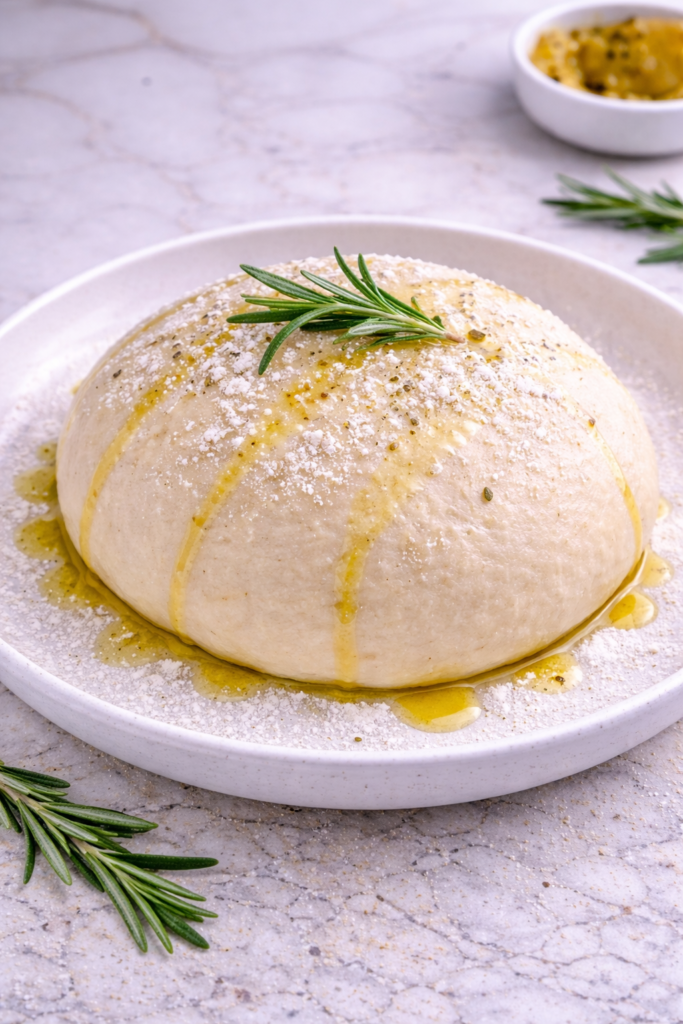
Italian Pizza Dough is one of the most useful recipes to prepare ahead because it stores beautifully. After mixing and kneading, place the dough in a lightly oiled bowl, cover it, and refrigerate for up to 3 days. The slow rise in the refrigerator helps develop deeper flavor and excellent texture.
You can also let the dough complete its first rise at room temperature, then divide it into portions and refrigerate each one separately. This makes pizza night especially easy because each dough ball is ready to shape.
For longer storage, freeze the dough after the first rise. Wrap tightly and freeze for up to 3 months, then thaw overnight in the refrigerator before using.
Before shaping chilled dough, let it sit at room temperature for 30 to 60 minutes. This helps the gluten relax and makes stretching much easier.
Instructions
Step 1: Activate the Yeast
In a small bowl or measuring cup, combine the warm water, sugar, and yeast. Let it sit for 5 to 10 minutes until foamy on top.
Step 2: Combine the Dough Ingredients
In a large mixing bowl, add the flour and salt. Pour in the yeast mixture and olive oil, then stir until a shaggy dough begins to form.
Step 3: Knead the Dough
Transfer the dough to a lightly floured surface. Knead for 8 to 10 minutes until smooth, elastic, and slightly tacky but not sticky.
Step 4: First Rise
Place the dough in a lightly oiled bowl and turn it once to coat. Cover with a towel or plastic wrap and let it rise in a warm place for 1 to 1 1/2 hours, or until doubled in size.
Step 5: Divide the Dough
Punch the dough down gently to release excess air. Divide it into two equal portions for two pizzas or keep whole for one larger pizza.
Step 6: Rest Before Shaping
Shape each portion into a ball and let rest for 10 to 15 minutes. This short rest helps the dough relax and stretch more easily.
Step 7: Preheat the Oven
Preheat your oven to 475°F or as hot as your oven safely allows. If using a pizza stone or steel, place it in the oven while preheating.
Step 8: Shape the Dough
On a lightly floured surface, stretch or roll the dough into a 10 to 12-inch round. Leave the outer edge slightly thicker if you want a raised crust.
Step 9: Add Toppings
Transfer the dough to a pizza peel, parchment paper, or pan. Add a thin layer of sauce, cheese, and your preferred toppings.
Step 10: Bake the Pizza
Bake for 10 to 15 minutes depending on thickness and oven type. The crust should be golden and the cheese bubbly.
Step 11: Finish and Serve
Remove from the oven and let the pizza rest for 2 minutes. Slice and serve while hot.
Serving Suggestions
Italian Pizza Dough is perfect for classic cheese pizza with mozzarella and basil. This simple combination lets the crust shine.
Top it with pepperoni, sausage, mushrooms, or peppers for a family-style favorite. A mix of vegetables and meats creates hearty flavor.
Use the dough for white pizza with olive oil, ricotta, and spinach. It feels a little different while still being comforting.
Serve pizza night with a crisp green salad or Caesar salad. Fresh greens balance the richness beautifully.
Garlic breadsticks made from extra dough are always welcome on the side. They are especially popular with children.
For gatherings, divide the dough into mini personal pizzas. Everyone can build their own and choose favorite toppings.
Leftovers and Storage
Store leftover baked pizza in an airtight container in the refrigerator for up to 4 days. Separate slices with parchment paper if stacking.
Reheat slices in a skillet over medium-low heat or in a 375°F oven until warmed through. This helps restore a crisp crust better than microwaving.
Microwave reheating works for convenience, though the crust will be softer. Use short intervals to avoid overheating the cheese.
Unused dough can be refrigerated for up to 3 days. Keep it in an oiled covered container with room for expansion.
Freeze leftover dough portions tightly wrapped for up to 3 months. Thaw overnight in the refrigerator before bringing to room temperature.
Nutrition and Benefits
- Homemade pizza dough uses simple pantry ingredients with no unnecessary additives.
- You can control portion size, toppings, and overall nutrition more easily than takeout.
- Olive oil adds richness and contributes heart-healthy fats in moderate amounts.
- Using homemade dough allows easy addition of vegetables through your toppings.
- Making dough from scratch can be budget-friendly for feeding families.
- The recipe can be adapted for thin crust, thick crust, or personal pizzas.
Recipe FAQ
Can I use bread flour instead of all-purpose flour?
Yes, bread flour works very well and creates a chewier crust. Many people prefer it for pizzeria-style texture. You can substitute it cup for cup.
Why did my dough not rise?
The yeast may have been old or the water may have been too hot or too cold. Make sure the yeast foams during activation. A warm rising environment also helps.
Can I freeze pizza dough?
Yes, pizza dough freezes beautifully. Wrap it tightly after the first rise and freeze for up to 3 months. Thaw overnight in the refrigerator before using.
How do I make the crust crispier?
Use a very hot oven and preheat your pizza stone or pan. Roll the dough thinner and avoid overloading with sauce. These steps help create a crisp base.
Can I make the dough the night before?
Absolutely. Refrigerating the dough overnight often improves flavor. Let it come closer to room temperature before shaping.
Why does the dough shrink back when I stretch it?
The gluten is too tight and needs time to relax. Let the dough rest for 10 to 15 minutes, then try again. It should stretch more easily afterward.
What toppings work best?
Classic tomato sauce and mozzarella are always excellent. Pepperoni, vegetables, sausage, olives, and fresh herbs are all great options. Keep toppings moderate so the crust bakes well.
A Homemade Pizza Night Worth Making Again
Italian Pizza Dough turns a few simple ingredients into a meal that feels fun, comforting, and rewarding to make. With its golden crust, chewy texture, and endless topping options, it brings dependable results every time.
Because it can be made ahead and customized for everyone at the table, this recipe fits beautifully into family routines. Once you enjoy homemade pizza from scratch, it quickly becomes a tradition worth making again.