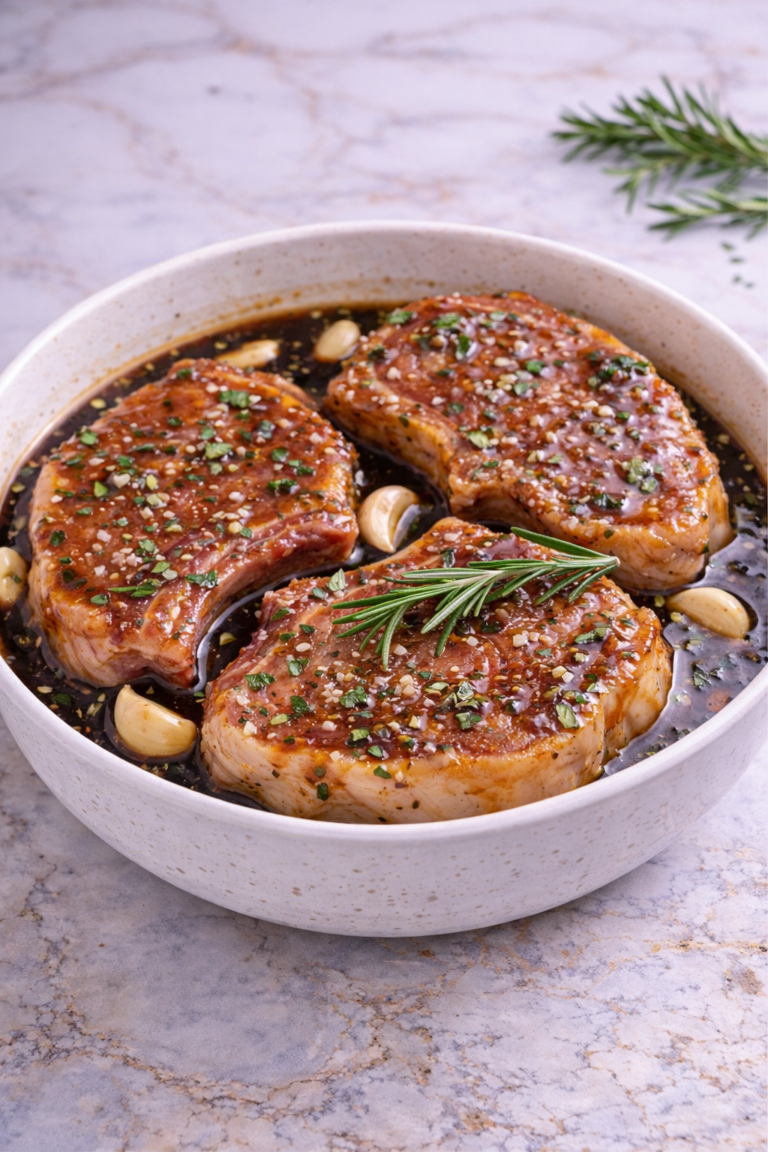
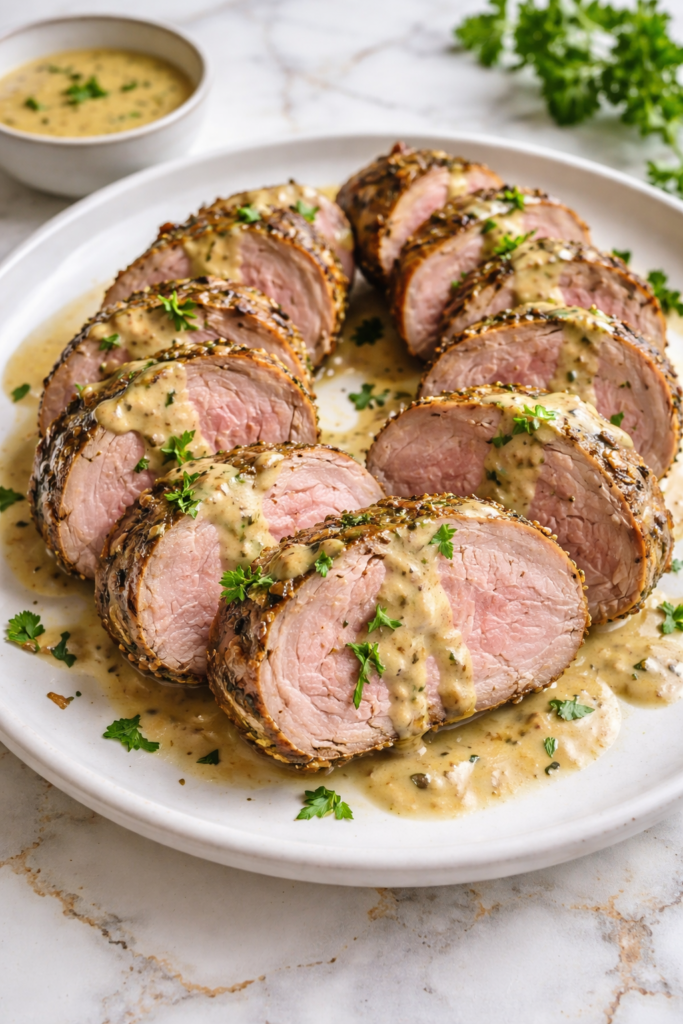
Some dinners feel impressive enough for guests yet simple enough for an ordinary evening, and this Pork Tenderloin Recipe is exactly that kind of meal. Tender slices of juicy pork with a flavorful seasoned crust always make the table feel a little more special.
I first started making pork tenderloin when I wanted a dependable main dish that cooked quickly but still felt elegant. It quickly became a family favorite because it is easy to season, roasts beautifully, and pairs with almost any side dish already in the kitchen.

Why You’ll Love This Recipe
This recipe delivers rich flavor with surprisingly little effort. Pork tenderloin cooks quickly, stays wonderfully tender when prepared properly, and develops a delicious golden exterior in the oven.
It is also practical for busy households. The ingredient list is simple, prep time is short, and the oven handles most of the cooking.
Families love how flexible this dish is. Serve it with potatoes, vegetables, salad, rice, or noodles, and it always feels like a complete homemade dinner.
Serves: 4 people
This recipe makes four generous servings using one large or two small pork tenderloins, depending on size. It can easily be doubled for larger gatherings.
Ingredients You’ll Need
For the Pork
- 1 pork tenderloin (about 1 1/4 to 1 1/2 pounds) or 2 small tenderloins
- 2 tablespoons olive oil
- 1 teaspoon salt
- 1/2 teaspoon black pepper
- 1 teaspoon garlic powder
- 1 teaspoon onion powder
- 1 teaspoon paprika
- 1 teaspoon dried Italian seasoning or thyme
- 1 teaspoon Dijon mustard (optional)
Optional Pan Sauce
- 1 tablespoon butter
- 2 cloves garlic, minced
- 1/2 cup chicken broth
- 1 teaspoon Dijon mustard
- 1 teaspoon honey
- 1 tablespoon chopped parsley
Optional Add-Ins
- 1 pound baby potatoes
- 2 cups green beans, carrots, or broccoli
- 1 sliced onion
If using two smaller tenderloins, check doneness a little earlier since they may cook faster than one larger piece.
Pro Tips
Trim away any silver skin before cooking. This thin connective tissue can become tough and is best removed with a sharp knife.
Pat the pork dry before seasoning. A dry surface helps the spices stick better and promotes better browning.
Let the tenderloin sit at room temperature for 15 to 20 minutes before cooking if possible. This can help it roast more evenly.
Use a meat thermometer for the best results. Pork tenderloin is best removed from the oven at 145°F followed by a short rest.
Do not skip the resting time after cooking. Resting helps the juices redistribute and keeps the meat tender.
For families with younger children, slice the pork into thin medallions for easy serving.
Tools You’ll Need
- Baking dish or sheet pan
- Large skillet (optional for searing)
- Tongs
- Sharp knife
- Cutting board
- Measuring spoons
- Mixing bowl
- Meat thermometer
- Aluminum foil
A cast iron or oven-safe skillet is especially useful if you want to sear first and then transfer directly to the oven.
Substitutions and Variations
Use pork loin if tenderloin is unavailable, but note that pork loin is larger and needs a longer cooking time.
Swap olive oil for avocado oil or melted butter if preferred. Each gives slightly different flavor.
Use rosemary, thyme, sage, or Cajun seasoning instead of Italian seasoning for a different flavor profile.
If you enjoy sweetness, brush the pork with maple syrup or honey during the last few minutes of roasting.
For a garlic herb version, add fresh minced garlic and chopped parsley before roasting. This gives the pork a bright fresh finish.
Add sliced apples or pears to the pan for a classic sweet-savory pairing. Fruit roasts beautifully alongside pork.
For a spicy version, add cayenne or crushed red pepper flakes to the seasoning blend.
If you need a low-carb dinner, serve the pork with roasted vegetables or salad instead of potatoes.
For a creamy variation, make the optional pan sauce and stir in a splash of cream at the end.
You can also slice leftovers thinly for sandwiches, wraps, or grain bowls the next day.
Make Ahead Tips
This recipe is excellent for planning ahead on busy days. Trim the pork tenderloin, season it, and refrigerate it up to 24 hours in advance so the flavors have time to settle into the meat.
You can also wash and prep any vegetables or potatoes earlier in the day. Having the side dishes ready makes dinner feel much easier when it is time to cook.
If you plan to make the optional sauce, measure the ingredients ahead and keep them nearby. This keeps the final steps quick and stress-free.
For meal prep, fully roast the pork tenderloin, cool it, and slice it for lunches or quick dinners throughout the week.
Instructions
Step 1: Preheat the Oven
Preheat your oven to 400°F. Lightly grease a baking dish or sheet pan with oil or nonstick spray.
A hot oven helps the pork roast quickly and develop a flavorful golden exterior while staying juicy inside.
Step 2: Prepare the Pork
Place the pork tenderloin on a cutting board and trim away any silver skin if still attached. Pat the pork dry with paper towels.
Drying the surface helps the seasoning stick and encourages better browning during cooking.
Step 3: Season the Tenderloin
Rub the pork all over with olive oil. Sprinkle with salt, black pepper, garlic powder, onion powder, paprika, and Italian seasoning or thyme.
If using Dijon mustard, spread it lightly over the pork before adding the spices. This adds extra savory depth.
Step 4: Optional Sear for Extra Flavor
Heat a skillet over medium-high heat. Add a small drizzle of oil and sear the pork for 1 to 2 minutes per side until lightly browned.
This step is optional but adds wonderful color and flavor. If using an oven-safe skillet, you can roast it right in the same pan.
Step 5: Transfer to the Oven
Place the seasoned pork tenderloin in the prepared baking dish or skillet. If adding vegetables or potatoes, arrange them around the pork now.
Roast uncovered for 20 to 30 minutes, depending on thickness. Smaller tenderloins cook faster, while larger ones may need a little more time.
Step 6: Check for Doneness
Insert a meat thermometer into the thickest part of the tenderloin. Remove the pork when it reaches 145°F.
This temperature gives tender, juicy results. Avoid overcooking, which can dry the meat.
Step 7: Rest the Pork
Transfer the pork to a cutting board and loosely tent with foil. Let it rest for 10 minutes before slicing.
Resting allows the juices to redistribute so the slices stay moist and flavorful.
Step 8: Make the Optional Pan Sauce
While the pork rests, place the skillet or a small saucepan over medium heat. Add butter and minced garlic, cooking for 30 seconds until fragrant.
Stir in chicken broth, Dijon mustard, and honey. Simmer for 2 to 3 minutes, then finish with chopped parsley.
Step 9: Slice and Serve
Slice the pork tenderloin into medallions about 1/2-inch thick. Arrange on a platter or plates.
Spoon the warm pan sauce over the top if using. Serve immediately with your favorite sides.
Serving Suggestions
Serve this pork tenderloin with mashed potatoes or roasted potatoes for a classic comforting dinner. The tender pork pairs beautifully with hearty sides.
Add green beans, asparagus, broccoli, or roasted carrots for color and balance. Vegetables complete the plate nicely.
Rice pilaf, buttered noodles, or wild rice make wonderful alternatives to potatoes. They also work well with the optional sauce.
A crisp green salad with vinaigrette adds freshness and contrast. This is especially nice for company meals.
Serve with applesauce, sautéed apples, or roasted pears for a classic sweet-savory pairing with pork.
Use leftovers sliced thinly in sandwiches, wraps, or grain bowls for easy lunches the next day.
Leftovers and Storage
Allow leftovers to cool slightly before storing. Place sliced or whole pork tenderloin in an airtight container and refrigerate for up to 4 days.
To reheat, warm gently in a covered baking dish at 300°F with a splash of broth or water. This helps keep the pork moist.
You can also microwave individual portions in short intervals. Cover loosely and heat carefully to avoid drying the meat.
For freezing, wrap cooled pork tightly and store in freezer-safe containers for up to 2 months. Thaw overnight in the refrigerator before reheating.
Nutrition and Benefits
- Pork tenderloin is a lean source of protein that helps make meals filling and satisfying.
- It cooks quickly, making it practical for busy weeknights.
- Homemade seasoning lets you control sodium and flavor preferences.
- The recipe pairs easily with vegetables, grains, or potatoes for balanced meals.
- Leftovers are versatile and useful for lunches or second dinners.
- Roasting creates rich flavor without needing heavy sauces or frying.
Recipe FAQ
What is the difference between pork loin and pork tenderloin?
Pork tenderloin is smaller, leaner, and cooks much faster. Pork loin is larger and needs more time in the oven.
Why is my pork tenderloin dry?
It is usually overcooked. Use a thermometer and remove it at 145°F, then let it rest before slicing.
Do I have to sear it first?
No, searing is optional. It adds color and flavor, but the recipe is still delicious if roasted directly.
Can I marinate pork tenderloin?
Yes, it takes marinades very well. Even 30 minutes can add extra flavor.
Can I cook vegetables in the same pan?
Absolutely. Potatoes, carrots, onions, and green beans all work nicely. Cut them to similar sizes for even cooking.
Can I make this ahead of time?
Yes, you can season it ahead or fully cook it and reheat gently later. It is great for meal prep.
What sauce goes best with pork tenderloin?
Mustard sauce, garlic butter, gravy, balsamic glaze, or fruit-based sauces all pair beautifully.
Conclusion
A Simple Supper Worth Making Again
This Pork Tenderloin Recipe is the kind of dependable dinner that feels special without creating extra work. It uses simple ingredients, easy steps, and delivers tender juicy slices with reliable results every time.
It is worth making again because it fits weeknights, family dinners, and casual entertaining so naturally. With comforting flavor, flexible serving options, and easy preparation, this is a meal families happily return to again and again.