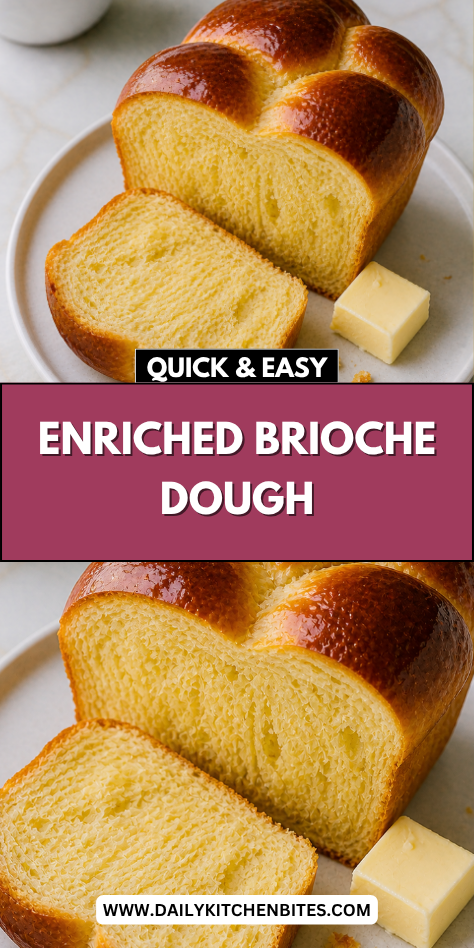
I like to make enriched brioche dough when I want something that feels a little special but still fits into a home baking routine. It has a soft, tender texture with a light buttery flavor that works for both sweet and savory dishes.
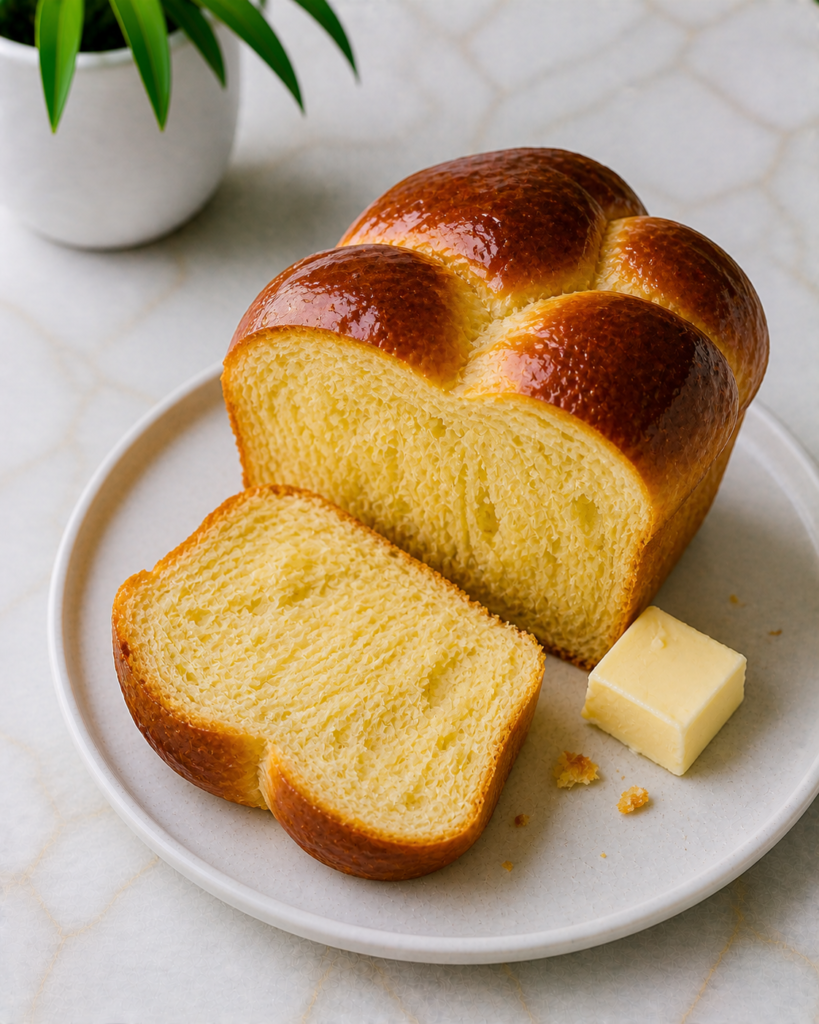
When it comes out of the oven, the golden crust and fluffy inside always make it worth the effort.
The first time I made brioche, I was surprised by how simple the process felt once I took it step by step.
It quickly became a go-to dough in my kitchen because it’s so versatile and dependable. My family enjoys it as breakfast, snacks, and even sandwiches, which makes it one of those recipes I come back to often.
Why You’ll Love This Recipe
Enriched brioche dough is known for its soft, pillowy texture and rich flavor that comes from butter, eggs, and milk. The result is a bread that feels light yet satisfying, with a gentle sweetness that pairs well with many toppings and fillings. It’s the kind of dough that feels comforting and familiar with every bite.
This recipe is also approachable for home bakers, even if you’re new to working with yeast. The steps are clear and manageable, and once you understand the process, it becomes a reliable recipe you can repeat. The dough is forgiving enough to handle small variations while still producing consistent results.
Another reason this dough stands out is its flexibility. You can shape it into rolls, loaves, or even use it for pastries. Whether you’re preparing breakfast, lunch, or a simple treat, this dough adapts easily to your needs.
Serves: 10 people
This recipe yields enough dough for about 10 servings, depending on how you shape and portion it. You can divide it into smaller rolls for snacks or larger portions for sandwiches and meals. It’s easy to adjust based on how you plan to use it.
Ingredients You’ll Need
- 3 ½ cups (440g) all-purpose flour
- ¼ cup (50g) granulated sugar
- 2 ¼ teaspoons (1 packet) active dry yeast
- 1 teaspoon salt
- 4 large eggs, room temperature
- ½ cup (120ml) whole milk, warm
- 10 tablespoons (140g) unsalted butter, softened
- 1 teaspoon vanilla extract (optional, for a slightly sweet dough)
Pro Tips
Make sure your ingredients are at room temperature before starting. This helps the dough come together smoothly and improves the overall texture.
Use warm milk, not hot, to activate the yeast. If the milk is too hot, it can affect how the dough rises.
Knead the dough until it becomes smooth and slightly elastic. This step is important for building structure and achieving a soft, airy crumb.
Add the butter gradually rather than all at once. This helps the dough absorb it properly and prevents it from becoming too greasy.
Allow enough time for the dough to rise fully. A slow, steady rise improves both flavor and texture.
Chill the dough if it becomes too soft to handle. This makes shaping easier and helps maintain structure.
Tools You’ll Need
- Mixing bowl
- Stand mixer with dough hook (optional but helpful)
- Measuring cups and spoons
- Kitchen scale (optional for accuracy)
- Spatula
- Clean kitchen towel or plastic wrap
- Baking pan or loaf pan
Substitutions and Variations
Use Bread Flour
Swap all-purpose flour with bread flour for a slightly chewier texture. This can help give the brioche more structure while keeping it soft.
Make It Dairy-Free
Replace butter with a plant-based alternative and use non-dairy milk. The texture may change slightly, but it will still be soft and workable.
Add Citrus Flavor
Mix in a little orange or lemon zest for a fresh twist. This works especially well if you plan to use the dough for sweet recipes.
Reduce the Sugar
Lower the sugar slightly if you prefer a more neutral dough. This makes it better suited for savory dishes like sandwiches.
Make It Filled
Incorporate fillings like chocolate, jam, or cheese during shaping. This turns the dough into a variety of baked treats with minimal extra effort.
Make Ahead Tips
Enriched brioche dough is especially well suited for making ahead, which makes it a great option for busy schedules. After kneading, you can place the dough in a covered bowl and refrigerate it overnight for a slow, controlled rise. This not only saves time the next day but also helps develop a deeper, richer flavor.
You can also shape the dough ahead of time and store it in the refrigerator for several hours before baking. If you need longer storage, the dough freezes well after the first rise, and you can thaw it in the refrigerator overnight before shaping and baking as usual.
Instructions
Step 1: Activate the Yeast
In a mixing bowl, combine the warm milk and yeast, then let it sit for about 5 minutes until it becomes slightly foamy. This step ensures the yeast is active and ready to help the dough rise properly.
Step 2: Mix the Dry Ingredients
In a large bowl or the bowl of a stand mixer, combine the flour, sugar, and salt. Stir briefly to distribute the ingredients evenly before adding the wet mixture.
Step 3: Add Eggs and Yeast Mixture
Add the eggs and the activated yeast mixture to the dry ingredients. Mix on low speed or by hand until a rough dough begins to form.
Step 4: Knead the Dough
Knead the dough for about 8 to 10 minutes until it becomes smooth and elastic. If using a stand mixer, use the dough hook and scrape down the sides as needed.
Step 5: Incorporate the Butter
Add the softened butter a little at a time, allowing it to fully absorb before adding more. Continue kneading until the dough is smooth, glossy, and slightly sticky.
Step 6: First Rise
Place the dough in a lightly greased bowl and cover it with a clean towel or plastic wrap. Let it rise in a warm place for 1 to 2 hours, or until it has doubled in size.
Step 7: Chill the Dough
Transfer the dough to the refrigerator and chill for at least 1 hour, or overnight. This step makes the dough easier to handle and improves its structure.
Step 8: Shape the Dough
Remove the dough from the refrigerator and shape it as desired, whether into rolls, a loaf, or other forms. Place the shaped dough into a prepared baking pan.
Step 9: Second Rise
Cover the shaped dough and let it rise again for about 45 minutes to 1 hour. It should become slightly puffy but still hold its shape.
Step 10: Bake
Preheat the oven to 350°F (175°C). Bake for 20 to 30 minutes, depending on the size and shape, until the top is golden brown and the bread is fully cooked through.
Serving Suggestions
Enriched brioche dough is perfect for serving warm with a simple spread of butter or jam. The soft texture and slight sweetness make it a comforting choice for breakfast or a midday snack.
It also works beautifully for sandwiches, especially when you want something a little more special than regular bread. The rich flavor pairs well with both sweet fillings like fruit preserves and savory options like eggs or cheese.
For a simple dessert, you can toast slices and serve them with a drizzle of honey or a dusting of powdered sugar. The slight crispness on the outside adds a nice contrast to the soft interior.
You can also use brioche as a base for French toast or bread pudding. Its structure holds up well to soaking, creating a rich and satisfying dish.
Leftovers and Storage
Store baked brioche in an airtight container at room temperature for up to 2 days. Keeping it covered helps maintain its softness and prevents it from drying out too quickly.
For longer storage, place it in the refrigerator for up to 5 days. Before serving, warm it slightly to bring back its soft texture and fresh flavor.
Brioche also freezes well after baking. Wrap it tightly in plastic wrap and place it in a freezer-safe bag for up to 1 month. Thaw at room temperature and reheat gently in the oven if desired.
If storing unbaked dough, keep it in the refrigerator for up to 24 hours after the first rise. This allows you to bake fresh bread when needed without starting from scratch.
Nutrition and Benefits
- Brioche dough provides a rich source of energy from its combination of flour, eggs, and butter. This makes it a satisfying option for breakfast or snacks.
- Eggs contribute protein and help create the soft, structured crumb that makes brioche unique. They also add richness without needing additional ingredients.
- Using whole milk adds a creamy element and supports the dough’s tender texture. It helps create a balanced flavor that works for both sweet and savory uses.
- Making brioche at home allows you to control the ingredients and adjust sweetness or richness. This makes it easier to suit your family’s preferences.
- Because it is so versatile, one batch can be used in many different ways. This helps reduce waste and makes it a practical addition to your baking routine.
Recipe FAQ
Why is brioche dough so sticky?
Brioche dough is naturally sticky because of the high butter and egg content. This is what gives it its soft and rich texture. Chilling the dough helps make it easier to handle.
Can I make brioche without a stand mixer?
Yes, you can knead the dough by hand, but it will take a bit more time and effort. Be patient and continue kneading until the dough becomes smooth and elastic. Taking breaks can make the process easier.
How do I know when the dough has risen enough?
The dough should roughly double in size during the first rise. You can gently press it with your finger, and if the indentation remains, it is ready. Proper rising is important for texture.
Can I freeze brioche dough?
Yes, you can freeze the dough after the first rise. Wrap it tightly and store it in a freezer-safe container. Thaw it in the refrigerator before shaping and baking.
Why is my brioche dense instead of light?
This can happen if the dough was not kneaded enough or did not rise fully. Proper gluten development and rising time are key to a light texture. Make sure to follow each step carefully.
Can I make this dough less sweet?
Yes, you can reduce the sugar slightly to make it more neutral. This works well if you plan to use it for savory dishes. The texture will remain soft and rich.
What can I make with brioche dough?
You can shape it into rolls, loaves, buns, or even use it for pastries. It is also perfect for French toast, bread pudding, and sandwiches. Its versatility makes it a valuable recipe to keep on hand.
A Soft and Buttery Dough Worth Making Again
Enriched brioche dough is a reliable recipe that brings both comfort and flexibility to your kitchen. Its soft texture and rich flavor make it suitable for everything from simple breakfasts to more thoughtful meals, all without complicated steps.
Once you’ve made it, it becomes a dough you can return to whenever you want something homemade and dependable. The balance of ease and results makes it a staple that fits naturally into everyday baking.