
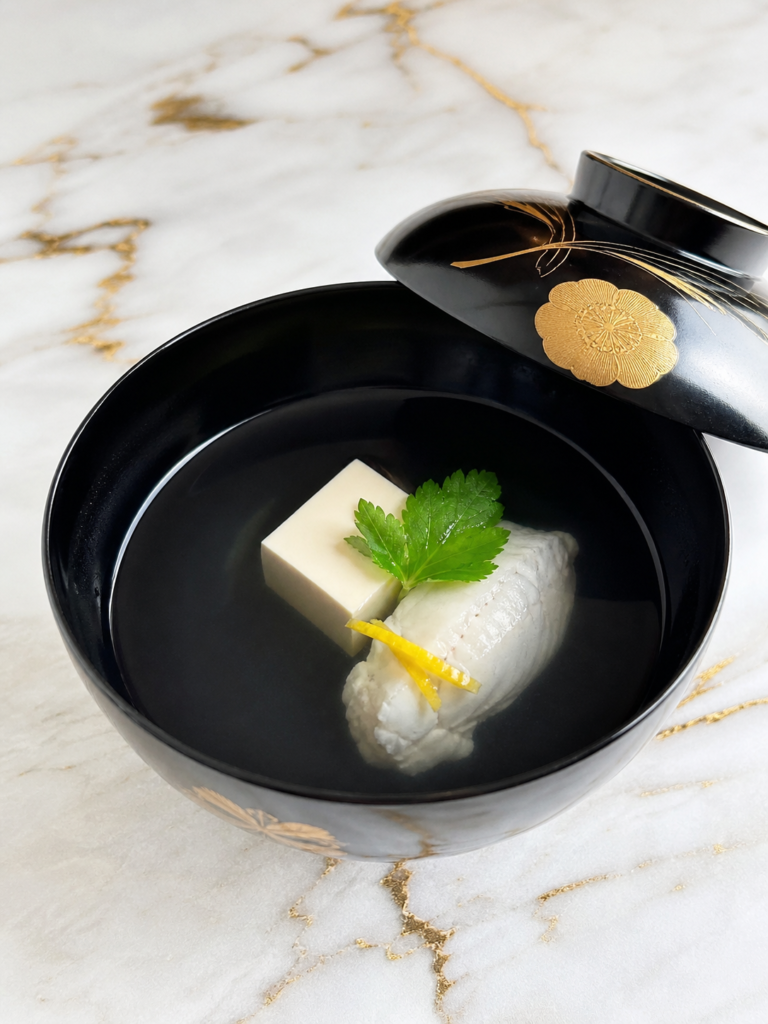
I make Suimono Soup when I want something light, warm, and quietly comforting without a lot of effort. It’s one of those simple recipes that feels calming to prepare and even better to sit down and enjoy.
The first time I made it, I was surprised by how a few ingredients could create such a clear, balanced flavor. Now it’s something I return to when I want a gentle, nourishing meal.
What I enjoy most about this soup is how clean and delicate it tastes. It doesn’t rely on heavy ingredients, but still feels complete and satisfying. My family appreciates how it pairs easily with other dishes or works on its own as a light option. It’s a dependable recipe that brings a sense of calm to the table.

Why You’ll Love This Recipe
Suimono Soup is loved for its simplicity and clean, refined flavor. The clear broth highlights each ingredient without overwhelming the palate, making it both light and satisfying. It’s the kind of dish that feels gentle and balanced, perfect for when you want something easy but still comforting.
Another reason this recipe works so well is how quickly it comes together. With just a few steps and minimal ingredients, you can have a warm bowl ready in no time. It’s also very flexible, making it easy to adjust based on what you have at home.
Serves: 4 people
This recipe serves four people as a light soup or starter. It can also be enjoyed in smaller portions alongside a larger meal. If you’d like to make more, it’s easy to double the ingredients without changing the process.
Ingredients You’ll Need
For the Broth:
- 4 cups dashi stock
- 1 tablespoon soy sauce
- 1 teaspoon salt
- 1 teaspoon mirin
For the Soup:
- 4 ounces tofu, cut into small cubes
- 1/2 cup mushrooms (such as shiitake), sliced
- 2 green onions, thinly sliced
- 1 teaspoon sesame oil
Pro Tips
- Use a good-quality dashi stock for the best flavor. Since the broth is simple, this ingredient makes a big difference.
- Keep the seasoning light so the natural flavors can stand out. It’s better to adjust gradually rather than adding too much at once.
- Cut the tofu into small, even pieces for a smooth texture in each bite. This helps it blend well into the soup.
- Add delicate ingredients like green onions at the end to keep their fresh flavor. This also helps maintain their color.
- Avoid boiling the soup too vigorously, as this can affect the clarity of the broth. A gentle simmer is best.
- Taste before serving and adjust seasoning if needed. Small changes can help bring everything into balance.
Tools You’ll Need
- Medium saucepan
- Cutting board
- Sharp knife
- Ladle
- Measuring cups and spoons
Substitutions and Variations
Add Seafood
You can include shrimp or small pieces of fish for extra protein. This adds depth while keeping the soup light.
Make It Vegetarian
Use a plant-based dashi made from kombu and mushrooms. This keeps the flavor while making the dish fully vegetarian.
Change the Vegetables
Add spinach, carrots, or daikon for variety. These ingredients blend well without overpowering the broth.
Use Different Mushrooms
Swap shiitake for enoki or button mushrooms. Each type offers a slightly different texture and flavor.
Add Noodles
Include a small amount of thin noodles for a more filling version. This turns the soup into a light meal.
Make Ahead Tips
Suimono Soup is best enjoyed fresh, but parts of it can be prepared ahead to save time. You can make the dashi broth up to two days in advance and store it in the refrigerator in a sealed container. This allows you to quickly assemble the soup when you’re ready to serve.
You can also slice the mushrooms, cube the tofu, and chop the green onions ahead of time. Keep each ingredient stored separately in the refrigerator to maintain freshness. When it’s time to cook, everything will be ready to add, making the process smooth and quick.
Instructions
Step 1: Heat the Dashi
Pour the dashi stock into a medium saucepan and place it over medium heat. Allow it to warm gently until it begins to steam, but do not let it come to a full boil. Keeping the heat moderate helps preserve the clarity of the broth.
Step 2: Season the Broth
Add the soy sauce, salt, and mirin to the dashi. Stir gently to combine and let it simmer for a few minutes. Taste the broth and adjust the seasoning if needed to maintain a balanced, light flavor.
Step 3: Add the Mushrooms
Place the sliced mushrooms into the simmering broth. Let them cook for about 3–4 minutes until they are tender. This step allows their flavor to blend into the soup without overpowering it.
Step 4: Add the Tofu
Gently add the cubed tofu to the pot. Simmer for another 2–3 minutes, being careful not to stir too vigorously. This helps keep the tofu intact and maintains the delicate texture.
Step 5: Finish with Sesame Oil
Add a small amount of sesame oil to the soup and stir gently. This adds a subtle richness and aroma without making the soup heavy. Keep the flavor light and balanced.
Step 6: Add Green Onions
Just before serving, sprinkle in the sliced green onions. Let them sit in the hot broth briefly to soften slightly. This keeps their flavor fresh and bright.
Step 7: Serve Immediately
Ladle the soup into bowls while it is still warm. Serve right away for the best flavor and texture. The clarity and lightness are best enjoyed fresh.
Serving Suggestions
Suimono Soup works well as a starter before a larger meal, especially alongside rice dishes or grilled fish. Its light flavor prepares the palate without filling you up too much. This makes it a natural addition to balanced meals.
You can also serve it alongside simple vegetable dishes or small portions of protein for a complete but gentle meal. The soup adds warmth without competing with other flavors. It fits easily into both lunch and dinner menus.
For a lighter option, enjoy it on its own with a small side of rice or a piece of bread. This creates a simple and calming meal. It’s especially nice when you want something easy to digest.
It also pairs well with sushi or other light dishes. The clean broth complements delicate flavors without overpowering them. This makes it a versatile addition to many meals.
If serving guests, present it in small bowls as part of a multi-course meal. Its simple presentation and clear broth add an elegant touch. It’s a quiet but thoughtful dish to include.
Leftovers and Storage
Store leftover Suimono Soup in an airtight container in the refrigerator for up to two days. Keeping it sealed helps maintain the flavor and prevents it from absorbing other odors. For best results, store the broth and ingredients together.
When reheating, warm the soup gently on the stovetop over low heat. Avoid boiling, as this can affect both the texture of the tofu and the clarity of the broth. Stir carefully to keep the ingredients intact.
This soup is not ideal for freezing, as the tofu and delicate ingredients may change texture once thawed. It’s best made fresh or enjoyed within a short time. Preparing smaller batches can help reduce waste.
If the soup sits for a while, you may need to adjust the seasoning slightly before serving again. A small splash of soy sauce or dashi can help refresh the flavor. Always taste before serving leftovers.
Nutrition and Benefits
- Dashi broth is light yet flavorful, providing a satisfying base without added heaviness. It supports a balanced and gentle meal.
- Tofu offers plant-based protein and a soft texture that is easy to digest. It helps make the soup more filling without adding weight.
- Mushrooms contribute vitamins, minerals, and natural umami flavor. They enhance the soup while keeping it simple.
- Green onions add a fresh element along with small amounts of vitamins and antioxidants. They help brighten the overall dish.
- This soup uses minimal oil and simple ingredients, making it a wholesome option for those seeking lighter meals. It fits well into everyday eating.
Recipe FAQ
What is dashi and can I substitute it?
Dashi is a traditional Japanese broth made from ingredients like kombu and bonito flakes. If you don’t have it, you can use a light vegetable or chicken broth. The flavor will be slightly different but still enjoyable.
Can I make this soup vegetarian?
Yes, use a plant-based dashi made from kombu and dried mushrooms. This keeps the flavor balanced while making the soup fully vegetarian. It’s an easy adjustment.
Why should I avoid boiling the soup?
Boiling can make the broth cloudy and affect the delicate flavor. A gentle simmer keeps the soup clear and clean. It also helps maintain the texture of the ingredients.
Can I add noodles to this soup?
Yes, thin noodles can be added for a more filling dish. Cook them separately and add them just before serving. This prevents the broth from becoming too starchy.
How do I keep the tofu from breaking?
Handle the tofu gently and avoid stirring too much once it’s added. Using firm or medium tofu also helps it hold its shape. This keeps the presentation neat.
Can I use other vegetables?
Yes, vegetables like spinach, carrots, or daikon can be added. Keep the portions small so they don’t overpower the broth. This helps maintain the soup’s balance.
Is this soup good for meal prep?
It can be prepared in advance, but it’s best enjoyed fresh. The delicate flavors and textures are at their best right after cooking. If storing, reheat gently for the best results.
A Light and Comforting Bowl to Return To
Suimono Soup is a simple, calming dish that brings together clean flavors and gentle warmth in an easy, reliable way. It’s quick to prepare, uses minimal ingredients, and delivers a balanced result that fits naturally into both everyday meals and more thoughtful occasions.
With its clear broth and soft textures, it’s a recipe you can return to whenever you want something light yet satisfying. It’s a comforting option that feels steady and dependable, making it worth preparing again whenever you need a quiet, nourishing meal.