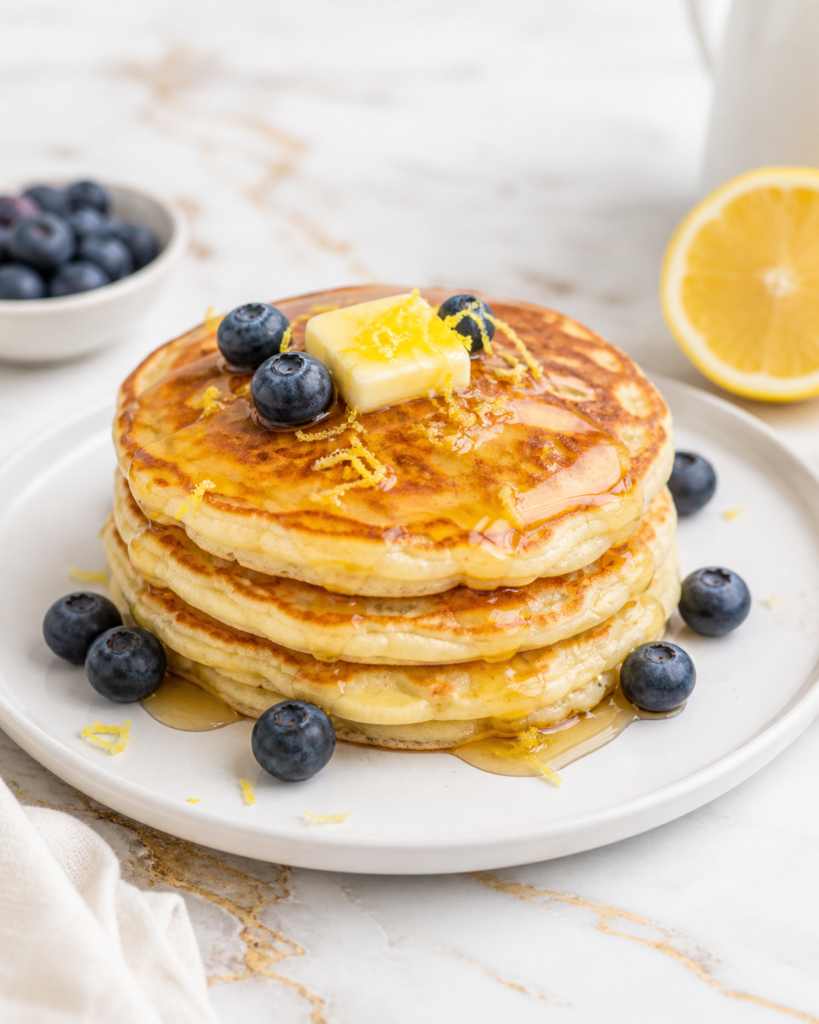
I make ricotta and lemon pancakes when I want breakfast to feel soft, fresh, and a little special without making the morning harder. They are tender in the middle, lightly golden on the outside, and brightened with just enough lemon to make every bite taste clean and cozy.
These pancakes remind me of slow weekend mornings, even when the day is not slow at all. The ricotta gives them a gentle creaminess, the lemon adds a fresh lift, and the whole stack feels comforting without being heavy.
Why You’ll Love This Recipe
Ricotta and lemon pancakes are soft, fluffy, and full of fresh flavor. The ricotta keeps the batter moist and tender, while the lemon zest and juice add brightness that makes the pancakes taste light.
They are also very family-friendly because the flavor is mild and not too sweet. Kids can enjoy them with syrup, berries, or yogurt, while adults may like them with extra lemon, honey, or a dusting of powdered sugar.
This recipe is simple enough for a weekend breakfast but special enough for brunch, holidays, or breakfast-for-dinner. The batter comes together with everyday ingredients, and the pancakes cook quickly on a griddle or skillet.
Serves: 4 people
This recipe makes about 12 medium pancakes, which serves 4 people comfortably. If you are cooking for bigger appetites, you can serve them with eggs, fruit, or breakfast sausage, or double the recipe for a larger family table.
Ingredients You’ll Need
For the Pancakes
- 1 1/2 cups all-purpose flour
- 2 tablespoons granulated sugar
- 2 teaspoons baking powder
- 1/2 teaspoon baking soda
- 1/2 teaspoon salt
- 3/4 cup whole milk
- 3/4 cup whole milk ricotta cheese
- 2 large eggs
- 2 tablespoons unsalted butter, melted and slightly cooled
- 1 tablespoon fresh lemon juice
- 1 tablespoon lemon zest
- 1 teaspoon vanilla extract
- 1/2 teaspoon almond extract, optional
- 1 to 2 teaspoons butter or neutral oil, for cooking
For Serving
- Maple syrup
- Fresh blueberries
- Fresh raspberries
- Sliced strawberries
- Powdered sugar
- Extra lemon zest
- Plain Greek yogurt
- Honey
Pro Tips
Use whole milk ricotta for the best texture. It makes the pancakes tender and creamy without making the batter too thin or watery.
Do not overmix the batter once the wet and dry ingredients are combined. A few small lumps are fine, and gentle mixing helps the pancakes stay soft and fluffy.
Let the batter rest for 5 to 10 minutes before cooking. This gives the flour time to hydrate and helps the pancakes cook up lighter.
Cook the pancakes over medium to medium-low heat. If the heat is too high, the outside can brown before the inside is fully cooked.
Flip the pancakes only once when bubbles form on the surface and the edges look set. Flipping too early can make them spread, while flipping too often can make them less tender.
Keep cooked pancakes warm on a baking sheet in a low oven if you are making a full batch. This helps everyone eat warm pancakes together instead of serving them one at a time.
Tools You’ll Need
- Large mixing bowl
- Medium mixing bowl
- Whisk
- Rubber spatula
- Measuring cups
- Measuring spoons
- Microplane or fine grater
- Citrus juicer or fork
- Small microwave-safe bowl or saucepan for melting butter
- Nonstick skillet or griddle
- Spatula for flipping pancakes
- Ladle or 1/4-cup measuring cup
- Baking sheet, optional for keeping pancakes warm
- Wire rack, optional
Substitutions and Variations
Use Cottage Cheese Instead of Ricotta
Cottage cheese can work if you do not have ricotta on hand. For a smoother batter, blend it first or use small-curd cottage cheese so the pancakes stay soft.
Make Them Gluten-Free
Use a 1:1 gluten-free all-purpose flour blend in place of regular flour. Choose a blend made for baking so the pancakes hold together and stay tender.
Add Berries to the Batter
Fold in 1/2 cup fresh blueberries, raspberries, or finely chopped strawberries just before cooking. Keep the amount modest so the pancakes still cook evenly and do not become too wet.
Make the Flavor Warmer
Add 1/2 teaspoon cinnamon or a tiny pinch of nutmeg to the dry ingredients. This gives the pancakes a cozy flavor while still letting the lemon taste fresh.
Lighten the Toppings
Serve the pancakes with Greek yogurt, fresh fruit, and a drizzle of honey instead of butter and syrup. This keeps breakfast fresh and bright while still feeling satisfying.
Make Ahead Tips
Ricotta and lemon pancakes are best when they are cooked fresh, but you can still make mornings easier with a little prep. The dry ingredients can be whisked together the night before and stored in a covered bowl or container at room temperature. You can also measure the ricotta, milk, lemon juice, lemon zest, eggs, and vanilla separately, then mix everything together in the morning.
I do not recommend making the full batter too far ahead because the baking powder and baking soda begin working once they touch the wet ingredients. If the batter sits too long, the pancakes may not rise as nicely. For the best texture, mix the batter shortly before cooking and let it rest for just 5 to 10 minutes.
Cooked pancakes can be made ahead and stored for quick breakfasts during the week. Let them cool completely, then refrigerate or freeze them with parchment paper between layers. Reheat them gently in a toaster, oven, or skillet so they stay soft inside and lightly warm on the outside.
Instructions
Step 1: Mix the Dry Ingredients
In a large mixing bowl, whisk together 1 1/2 cups all-purpose flour, 2 tablespoons granulated sugar, 2 teaspoons baking powder, 1/2 teaspoon baking soda, and 1/2 teaspoon salt. Make sure the baking powder and baking soda are evenly mixed so the pancakes rise well.
This dry mixture creates the base of the batter. Whisking it first helps prevent pockets of salt or leavening in the finished pancakes.
Step 2: Mix the Wet Ingredients
In a medium mixing bowl, whisk together 3/4 cup whole milk, 3/4 cup whole milk ricotta cheese, 2 large eggs, 2 tablespoons melted and slightly cooled unsalted butter, 1 tablespoon fresh lemon juice, 1 tablespoon lemon zest, 1 teaspoon vanilla extract, and 1/2 teaspoon almond extract if using. The mixture may look a little textured because of the ricotta, and that is normal.
Do not worry if the ricotta does not become completely smooth. Those small curds help make the pancakes tender and creamy inside.
Step 3: Combine the Batter
Pour the wet ingredients into the bowl with the dry ingredients. Use a rubber spatula to gently fold everything together until just combined.
The batter should look thick, soft, and slightly lumpy. Avoid overmixing, because too much stirring can make the pancakes dense instead of light.
Step 4: Rest the Batter
Let the batter rest at room temperature for 5 to 10 minutes. This gives the flour time to absorb the liquid and helps the pancakes cook more evenly.
The batter may thicken slightly as it rests. If it becomes too thick to scoop, stir in 1 tablespoon of milk at a time until it loosens just a little.
Step 5: Heat the Skillet
Place a nonstick skillet or griddle over medium to medium-low heat. Add 1 to 2 teaspoons butter or neutral oil and let it melt, then spread it lightly over the surface.
The pan is ready when a small drop of batter gently sizzles. If the butter browns too quickly, lower the heat before adding the pancakes.
Step 6: Cook the First Side
Scoop about 1/4 cup of batter for each pancake onto the skillet. Leave a little space between each pancake so they have room to spread.
Cook for 2 to 3 minutes, or until bubbles form on the surface and the edges begin to look set. The bottoms should be golden brown, not dark.
Step 7: Flip and Finish Cooking
Slide a spatula under each pancake and flip gently. Cook the second side for 1 to 2 minutes, or until golden and cooked through.
The pancakes should feel soft but not wet in the center. If they are browning too fast before the middle cooks, turn the heat down slightly.
Step 8: Keep Warm and Repeat
Transfer the cooked pancakes to a plate, or keep them warm on a baking sheet in a 200°F oven while you cook the rest. Add a little more butter or oil to the skillet as needed between batches.
Repeat with the remaining batter, adjusting the heat if the pan gets too hot. Pancakes often cook faster after the first batch because the skillet is fully heated.
Step 9: Serve with Toppings
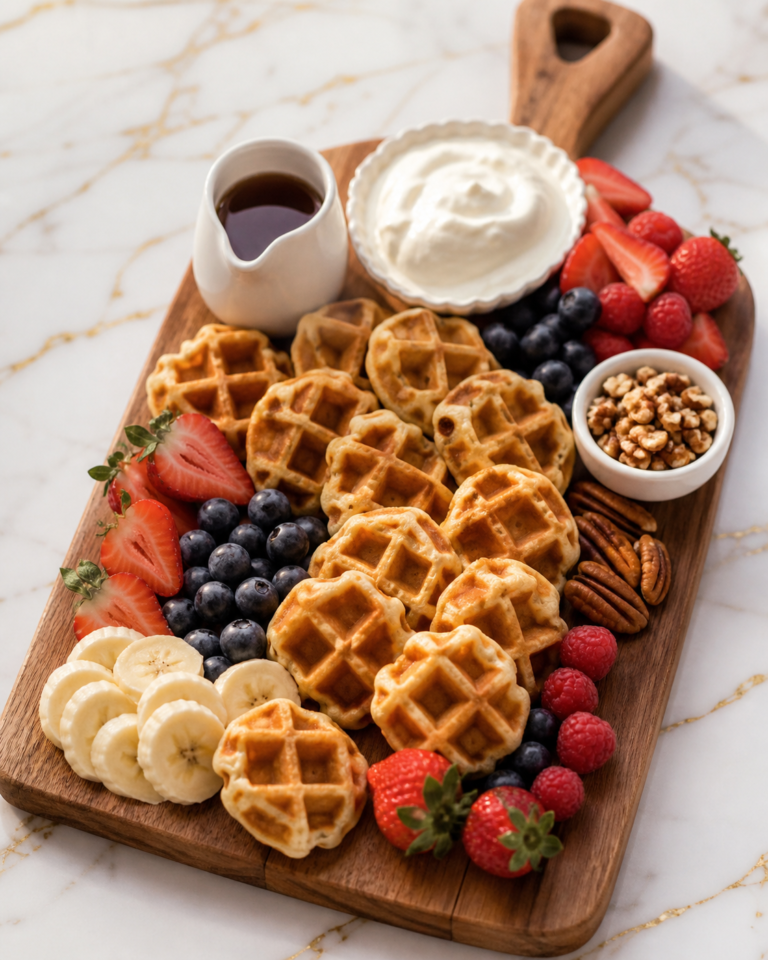
Serve the pancakes warm with maple syrup, fresh blueberries, raspberries, sliced strawberries, powdered sugar, extra lemon zest, Greek yogurt, or honey. Choose a few simple toppings so the lemon and ricotta flavor can still shine.
For a family breakfast, set the toppings in small bowls and let everyone build their own plate. This makes the meal easy, relaxed, and fun without extra work.
Serving Suggestions
Ricotta and lemon pancakes are lovely with fresh berries and a light drizzle of maple syrup. Blueberries, raspberries, and strawberries all pair well with the lemon flavor and add a fresh, juicy bite.
For a softer and creamier plate, serve the pancakes with plain Greek yogurt and honey. This keeps breakfast feeling bright and balanced while still giving the pancakes a comforting finish.
A dusting of powdered sugar and extra lemon zest makes the pancakes feel special without adding much effort. It is a nice choice for brunch, holidays, or slow weekend mornings.
If you want a heartier breakfast, serve the pancakes with scrambled eggs, turkey sausage, bacon, or a bowl of fruit. The pancakes are tender and light, so they pair well with both sweet and savory sides.
For kids, try making smaller pancakes that are easy to hold and dip. Serve syrup, yogurt, or fruit sauce on the side so they can choose how much they want.
These pancakes also work well for breakfast-for-dinner. Add a simple fruit salad or smoothie, and the meal feels cozy, easy, and satisfying.
Leftovers and Storage
Let leftover ricotta and lemon pancakes cool completely before storing them. Place them in an airtight container with parchment paper between layers, then refrigerate for up to 3 days. The parchment helps keep them from sticking together and makes it easy to grab one or two at a time.
To reheat, warm the pancakes in a toaster, toaster oven, skillet, or microwave. A toaster or skillet gives the best texture because it warms the outside gently while keeping the inside soft. If using the microwave, heat in short bursts so the pancakes do not become rubbery.
These pancakes also freeze well for up to 2 months. Lay them flat on a baking sheet until frozen, then transfer them to a freezer bag or container. Reheat straight from frozen in a toaster or oven for a quick breakfast.
Nutrition and Benefits
- Protein from ricotta and eggs: Ricotta cheese and eggs add protein, which helps make these pancakes more satisfying than a basic pancake. This makes them a good choice for a breakfast that feels special but still filling.
- Bright lemon flavor: Lemon zest and juice add fresh flavor without needing extra sugar. The citrus makes the pancakes taste light and balanced.
- Family-friendly texture: These pancakes are soft, tender, and easy to chew. That makes them a nice option for kids and adults at the same table.
- Flexible toppings: Fresh fruit, yogurt, honey, or maple syrup can change the meal without changing the pancake recipe. This helps each person build a plate they enjoy.
- Good for meal prep: Cooked pancakes store and freeze well, which makes them useful for busy mornings. A quick reheat gives you a warm breakfast with very little effort.
Recipe FAQ
Can I use part-skim ricotta?
Yes, part-skim ricotta works in this recipe. The pancakes may be slightly less rich than they are with whole milk ricotta, but they will still be soft and tender. If the ricotta looks watery, drain off any extra liquid before mixing.
Why are my pancakes too dense?
Dense pancakes usually come from overmixing the batter or cooking over heat that is too high. Stir the batter only until the ingredients are combined, and leave a few small lumps. Cook over medium to medium-low heat so the centers have time to cook through.
Can I make the batter the night before?
It is better not to make the full batter the night before. The baking powder and baking soda lose strength after sitting in wet batter for too long. You can mix the dry ingredients ahead and combine the wet ingredients in the morning.
Can I add blueberries to the batter?
Yes, blueberries are a great addition to ricotta and lemon pancakes. Fold in about 1/2 cup fresh blueberries after the batter is mixed. You can also sprinkle a few berries onto each pancake after scooping the batter into the skillet.
How do I know when to flip the pancakes?
Flip the pancakes when bubbles appear on the surface and the edges look set. The bottom should be golden brown and easy to lift with a spatula. If the pancake feels too loose, give it another 30 seconds before flipping.
Can I make these pancakes gluten-free?
Yes, you can use a 1:1 gluten-free all-purpose flour blend. Choose a blend made for baking so the pancakes hold together well. The texture may be slightly different, but they should still be soft and flavorful.
What toppings go best with lemon ricotta pancakes?
Fresh berries, maple syrup, honey, Greek yogurt, powdered sugar, and extra lemon zest all work well. For a simple family breakfast, berries and syrup are easy and reliable. For brunch, powdered sugar and a little lemon zest make the pancakes look extra pretty.
A Bright Breakfast Stack Worth Making Again
Ricotta and lemon pancakes are a simple way to make breakfast feel warm, fresh, and a little special. They are soft in the middle, lightly golden on the outside, and brightened with lemon in a way that feels comforting without being heavy.
I love that these pancakes work for slow weekends, brunch, or even a cheerful breakfast-for-dinner. They are dependable, family-friendly, and easy to serve with fruit, yogurt, or syrup, which makes them worth making again whenever the morning needs something cozy.