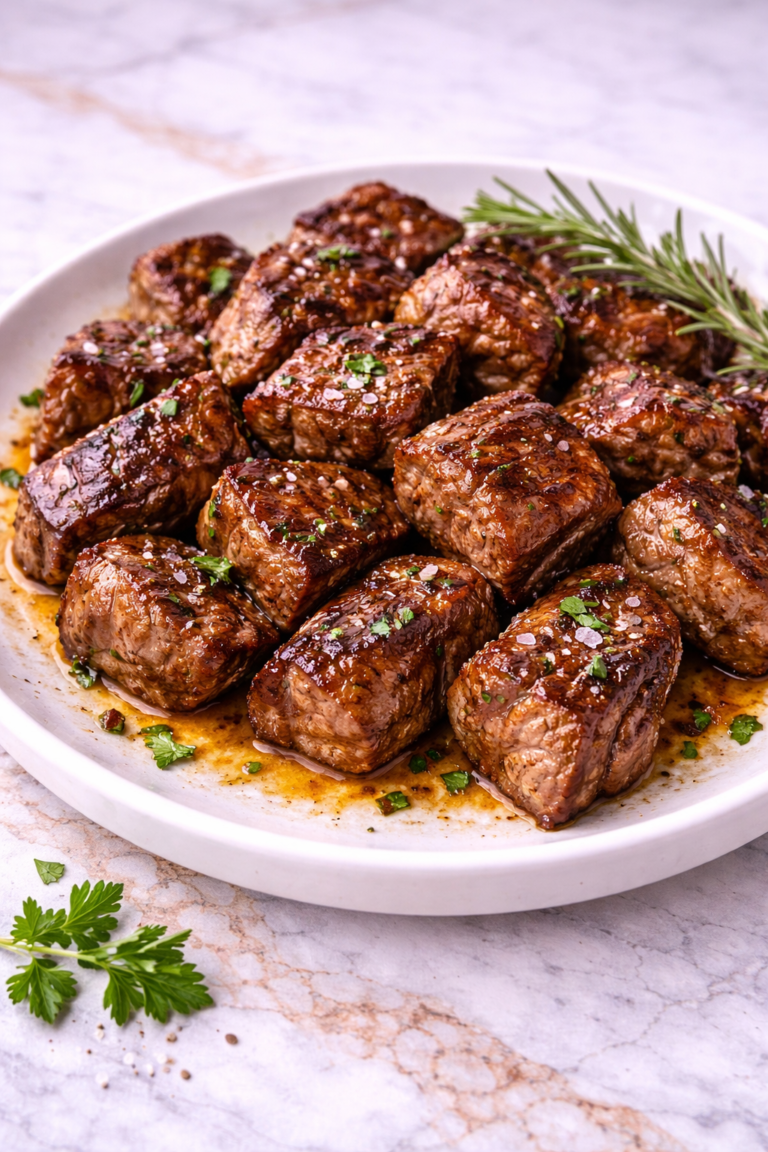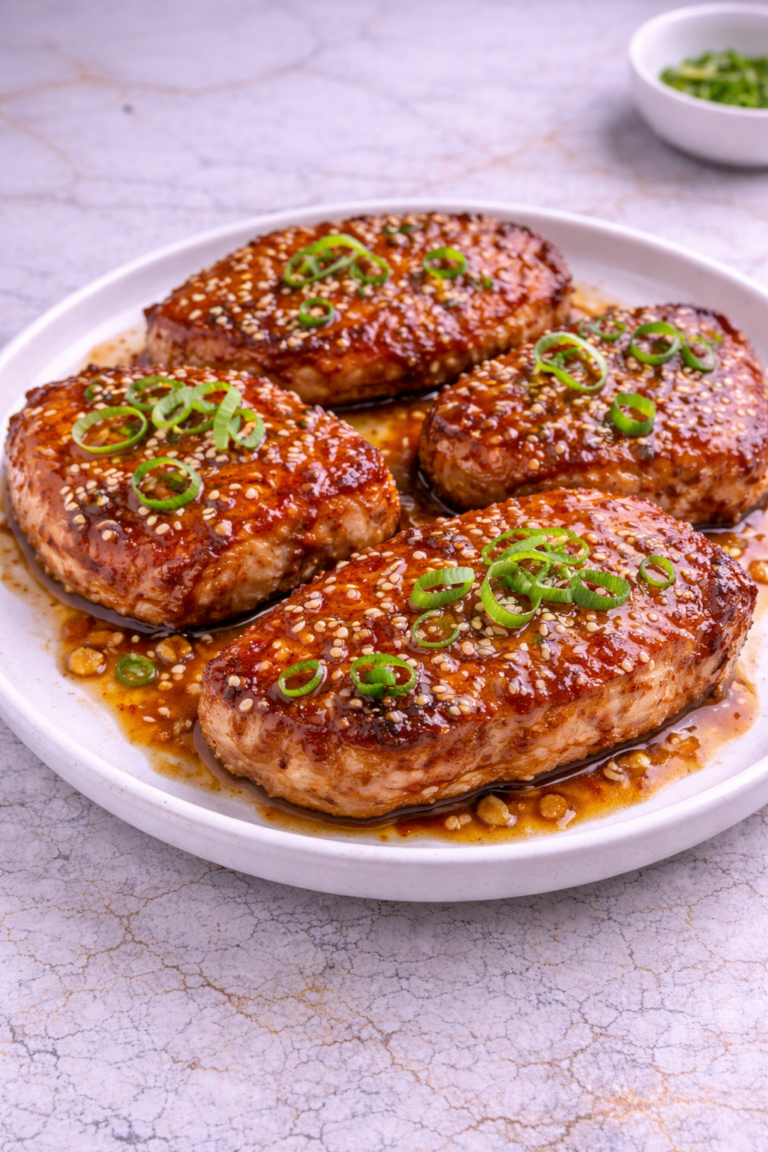
I like to make Dongpo pork belly when I want a dish that feels deeply comforting and worth the extra time. The slow braising creates a rich, tender texture that almost melts with each bite, while the sauce develops a balanced sweetness and depth. It’s the kind of meal that fills the kitchen with a warm, steady aroma as it cooks.
Over time, this recipe has become one I turn to for weekends or when I want to prepare something a little more special for the family. While it takes patience, the steps themselves are simple and easy to follow. The result is a dish that feels thoughtful, satisfying, and well worth the effort.
Why You’ll Love This Recipe
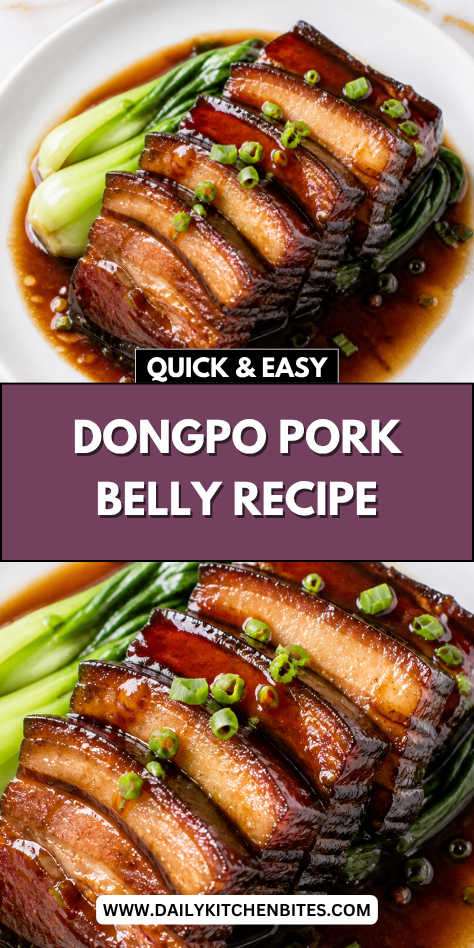
Dongpo pork belly is known for its incredibly tender texture and rich, layered flavor. The pork slowly braises until soft, while the sauce thickens into a glossy coating that clings to each piece. The balance of savory, slightly sweet, and aromatic notes makes it a comforting and memorable dish.
This recipe is also more approachable than it may seem. While it requires time, most of it is hands-off as the pork simmers gently. With a few basic ingredients and steady cooking, you can create a dish that feels both traditional and rewarding at home.
Serves: 4 to 5 people
This recipe serves about four to five people, depending on portion sizes and side dishes. It pairs well with rice, which helps stretch the servings further. You can also make a larger batch and enjoy leftovers over the next few days.
Ingredients You’ll Need
For the Pork Belly:
- 1 ½ pounds pork belly, skin-on
- 4 cups water (for blanching)
For the Braising Sauce:
- 3 tablespoons soy sauce
- 2 tablespoons dark soy sauce
- 3 tablespoons Shaoxing wine (or dry sherry)
- 2 tablespoons sugar
- 2 cups water or broth
For Aromatics:
- 4 slices fresh ginger
- 3 green onions, cut into large pieces
Pro Tips
Choose pork belly with a good balance of meat and fat for the best texture. This helps the dish become tender without feeling too heavy.
Blanch the pork belly before braising to remove impurities. This step keeps the final dish clean in flavor and appearance.
Cut the pork into even-sized cubes to ensure they cook at the same rate. Consistency helps achieve the right texture throughout.
Keep the heat low during braising to avoid toughening the meat. A gentle simmer allows the pork to become soft and tender.
Turn the pork pieces occasionally during cooking so they absorb the sauce evenly. This also helps develop a consistent color.
Let the sauce reduce slowly at the end for a rich, glossy finish. This step brings all the flavors together.
Tools You’ll Need
- Large pot
- Dutch oven or heavy-bottomed pot
- Tongs
- Cutting board
- Sharp knife
- Measuring cups and spoons
- Ladle
Substitutions and Variations
Use Boneless Pork Shoulder
If pork belly is not available, pork shoulder can be used. It will have a slightly different texture but still becomes tender when braised.
Adjust the Sweetness
Reduce the sugar slightly if you prefer a less sweet dish. You can also add a bit more soy sauce for a stronger savory flavor.
Add Extra Aromatics
Include star anise or a small piece of cinnamon for added depth. These ingredients enhance the fragrance without changing the core dish.
Make It Alcohol-Free
Replace Shaoxing wine with additional broth and a splash of rice vinegar. This keeps the balance of flavor without using alcohol.
Add Eggs
Include hard-boiled eggs in the braising liquid during the final stage. They absorb the sauce and add another layer to the dish.
Make Ahead Tips
Dongpo pork belly is a great dish to prepare ahead because the flavors continue to deepen over time. You can cook the pork a day in advance and store it in the refrigerator in its braising liquid. This allows the sauce to soak in more fully, giving the dish an even richer taste when reheated.
If you plan to serve it later, reheat the pork gently over low heat on the stove. You can also prepare the pork through the braising stage and finish reducing the sauce just before serving. This helps keep the texture tender while ensuring the final glaze is fresh and glossy.
Instructions
Step 1: Prepare the Pork Belly
Cut the pork belly into large, even cubes, about 2 inches in size. Keeping the pieces uniform helps them cook evenly. Leave the skin on for the best texture and flavor.
Step 2: Blanch the Pork
Place the pork belly pieces in a pot with water and bring it to a boil. Let it cook for about 5 minutes to remove impurities. Drain and rinse the pork under warm water, then set aside.
Step 3: Arrange the Aromatics
In a heavy pot or Dutch oven, place the ginger slices and green onions at the bottom. This creates a base that prevents sticking and adds flavor during cooking. Arrange them in an even layer.
Step 4: Add the Pork Belly
Place the blanched pork belly pieces on top of the aromatics, skin-side down if possible. Keep them in a single layer for even cooking. This helps the meat absorb the flavors more effectively.
Step 5: Add the Braising Liquid
Pour in the soy sauce, dark soy sauce, Shaoxing wine, sugar, and water or broth. The liquid should mostly cover the pork. This mixture forms the base of the rich braising sauce.
Step 6: Begin the Braise
Bring the liquid to a gentle simmer over medium heat, then reduce to low. Cover the pot and let it cook for about 1 ½ to 2 hours. Turn the pork occasionally to ensure even cooking.
Step 7: Reduce the Sauce
Once the pork is tender, remove the lid and increase the heat slightly. Let the sauce simmer uncovered until it thickens and becomes glossy. Turn the pork gently so it is evenly coated.
Step 8: Rest Before Serving
Turn off the heat and let the pork rest in the sauce for about 10 minutes. This helps the flavors settle and improves the texture. The sauce will continue to cling to the meat.
Step 9: Serve Warm
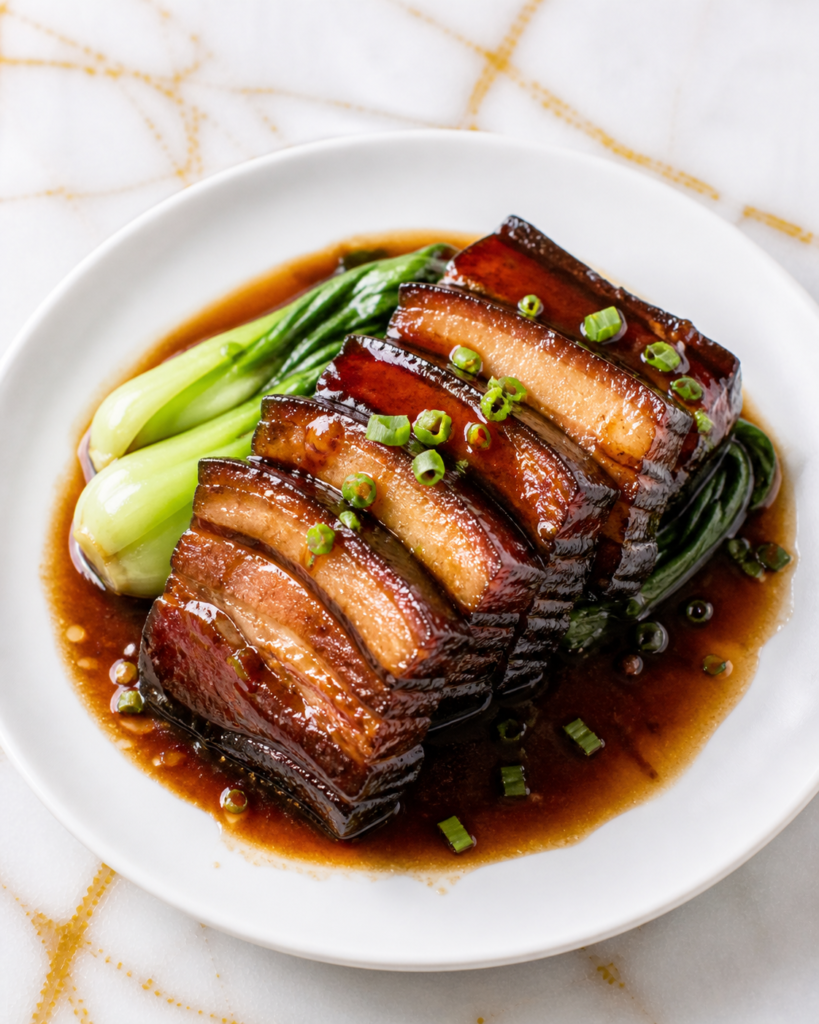
Carefully transfer the pork belly to a serving dish and spoon the sauce over the top. Serve while warm for the best texture and flavor. The final dish should be rich, tender, and well-coated.
Serving Suggestions
Dongpo pork belly is best served with steamed white rice, which helps balance the richness of the dish. The rice absorbs the sauce and makes each bite more satisfying.
You can also pair it with simple green vegetables like bok choy or Chinese broccoli. These add freshness and contrast to the soft, rich pork.
A light soup or broth-based side works well alongside this dish. It helps round out the meal without adding heaviness.
For a more complete spread, include pickled vegetables or a simple cucumber salad. The slight acidity helps balance the flavors.
This dish is also well-suited for family-style serving, where everyone can share from a central plate. It creates a warm and inviting meal setting.
Leftovers and Storage
Leftover Dongpo pork belly stores very well and often tastes even better the next day. Allow the dish to cool completely before transferring it to an airtight container. Store it in the refrigerator for up to 3 to 4 days.
To reheat, warm the pork gently on the stove over low heat until heated through. Add a small amount of water if the sauce has thickened too much. This helps restore its smooth texture.
You can also freeze the pork belly in its sauce for up to 2 months. Thaw it overnight in the refrigerator before reheating. Keeping it in the sauce helps maintain moisture and flavor.
Nutrition and Benefits
- Pork belly provides protein and fat, making it a rich and satisfying dish that supports energy needs. It’s best enjoyed in balanced portions alongside lighter sides.
- Ginger adds natural compounds that may support digestion and bring a gentle warmth to the dish. It also enhances the overall flavor.
- Using a slow braising method helps retain moisture and flavor without needing excessive added fats. This creates a tender and enjoyable texture.
- Soy sauce contributes a savory depth while allowing you to control the seasoning level. Choosing lower-sodium options can help adjust the dish to your needs.
- Pairing this dish with vegetables and rice creates a more balanced meal. This combination helps provide a mix of nutrients and textures.
Recipe FAQ
Can I make Dongpo pork belly in advance?
Yes, this dish is ideal for making ahead. The flavors deepen as it rests, making it even more delicious the next day. Reheat gently before serving.
Why do I need to blanch the pork first?
Blanching removes impurities and helps create a cleaner flavor in the final dish. It also improves the appearance of the sauce. This step is simple but important.
How do I know when the pork is done?
The pork is ready when it is very tender and can be easily pierced with a fork. The fat should feel soft and almost melt in your mouth. This usually takes about 1 ½ to 2 hours.
Can I cook this dish faster?
This dish benefits from slow cooking to achieve the right texture. Cooking it too quickly may result in tougher meat. It’s best to allow enough time for gentle braising.
What can I use instead of Shaoxing wine?
You can substitute dry sherry or a mix of broth and a small splash of vinegar. This helps maintain a similar depth of flavor. Adjust slightly to taste.
Can I remove some of the fat?
Yes, you can skim excess fat from the surface of the sauce after cooking. This helps lighten the dish slightly. However, some fat is important for flavor.
What sides go best with this dish?
Steamed rice and simple vegetables are the most common pairings. They balance the richness and make the meal feel complete. Light, fresh sides work best.
Conclusion
Dongpo pork belly is a comforting and deeply flavorful dish that rewards patience with rich, tender results. With simple steps and steady cooking, it becomes a reliable recipe that feels both special and satisfying.
It’s a dish that fits well into family meals or gatherings, offering warmth and consistency every time. Once you’ve made it, it’s easy to return to again when you want something hearty and dependable.