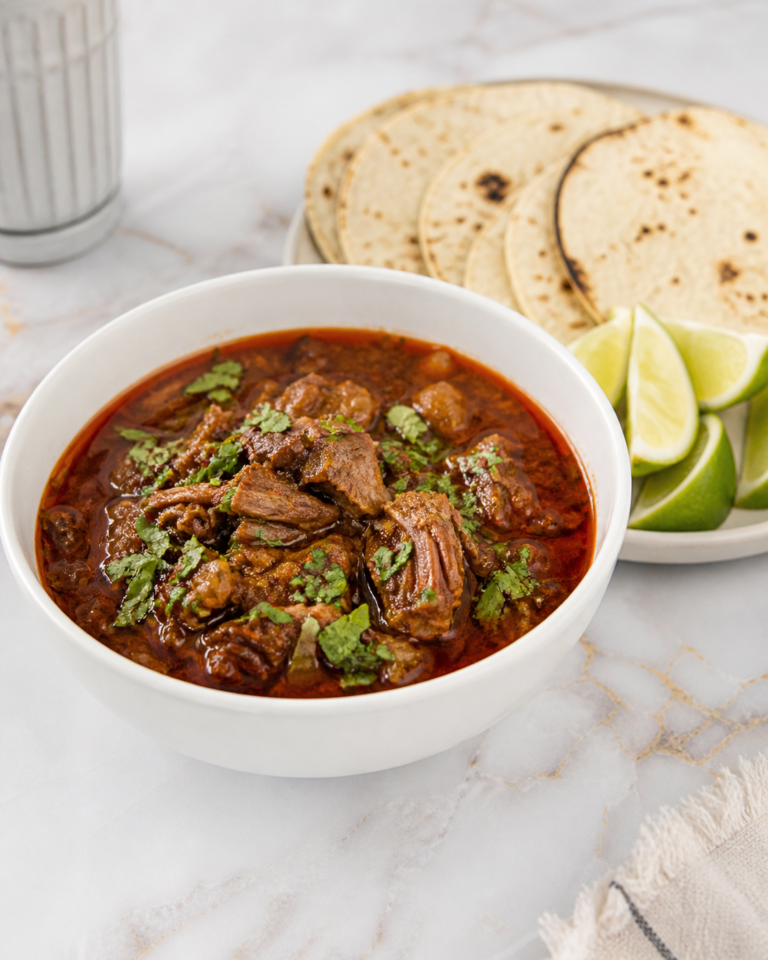
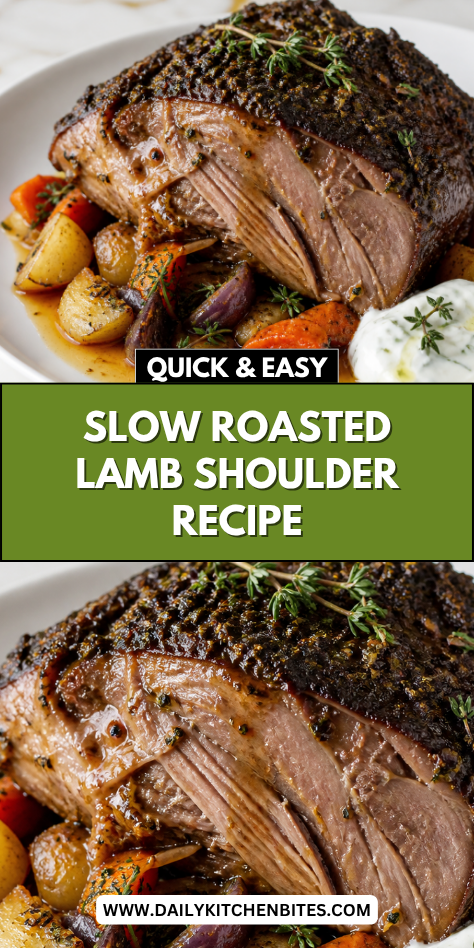
I make this Slow Roasted Lamb Shoulder when I want a meal that feels comforting, rich, and worth gathering around the table for. It’s the kind of dish that fills the house with a warm, steady aroma as it cooks slowly in the oven.
The first time I made it, I was surprised by how simple the preparation was compared to how impressive the final result looked. Now it’s something I turn to when I want a reliable centerpiece for family meals or special occasions.
What I enjoy most about this recipe is how the slow roasting transforms the lamb into something incredibly tender and full of flavor. It’s not complicated, but it does take time, which makes it feel thoughtful and rewarding.
My family loves how the meat becomes so soft it nearly falls apart, making it easy to serve and enjoy. It’s a dish that brings everyone together in a quiet, satisfying way.
Why You’ll Love This Recipe
Slow Roasted Lamb Shoulder is loved for its deep, rich flavor and melt-in-your-mouth texture. The long cooking time allows the meat to become incredibly tender while soaking up the simple seasoning and natural juices. Each bite feels hearty and comforting without needing a lot of extra ingredients.
Another reason this recipe works so well is its simplicity. Once the lamb is seasoned and placed in the oven, most of the work is done for you. It’s a great option for home cooks who want something impressive without constant attention, making it ideal for both busy days and relaxed weekend cooking.
Serves: 6 people
This recipe serves about six people generously, making it perfect for a family meal or small gathering. The lamb can easily be stretched further if served with sides like vegetables or grains. Leftovers also store well, which makes it a practical choice for meal planning.
Ingredients You’ll Need
For the Lamb:
- 1 (4–5 pound) lamb shoulder
- 2 tablespoons olive oil
- 2 teaspoons salt
- 1 teaspoon black pepper
For the Flavor Base:
- 4 cloves garlic, minced
- 1 tablespoon fresh rosemary, chopped
- 1 tablespoon fresh thyme, chopped
- 1 teaspoon ground cumin
- 1 teaspoon paprika
For Roasting:
- 1 cup chicken broth or water
- 1 onion, sliced
- 2 carrots, cut into chunks
Pro Tips
- Let the lamb come to room temperature for about 30 minutes before cooking. This helps it cook more evenly in the oven.
- Rub the seasoning mixture thoroughly over the lamb, making sure to coat all sides. This ensures consistent flavor throughout.
- Use a roasting pan with enough space for the vegetables and liquid. This helps create a flavorful base as the lamb cooks.
- Cover the lamb for most of the cooking time to keep it moist and tender. Uncover it near the end to allow the surface to brown.
- Baste the lamb occasionally with its juices for extra flavor. This step helps keep the meat from drying out.
- Let the lamb rest after cooking so the juices redistribute. This makes it easier to carve and improves the texture.
Tools You’ll Need
- Large roasting pan
- Aluminum foil or lid
- Cutting board
- Sharp knife
- Measuring spoons
- Basting spoon or brush
Substitutions and Variations
Use Different Herbs
You can swap rosemary and thyme for oregano or parsley. This slightly changes the flavor while keeping the dish aromatic and balanced.
Add More Spices
Include spices like coriander or cinnamon for a warmer, deeper profile. These additions work well with lamb and add variety.
Make It Garlic-Heavy
Increase the amount of garlic for a stronger, richer flavor. This works especially well if your family enjoys bold seasoning.
Add Potatoes
Include chopped potatoes in the roasting pan for a complete one-pan meal. They absorb the juices and become very flavorful.
Make It Lighter
Use less oil and trim excess fat from the lamb before cooking. This keeps the dish a bit lighter while still maintaining its tenderness.
Make Ahead Tips
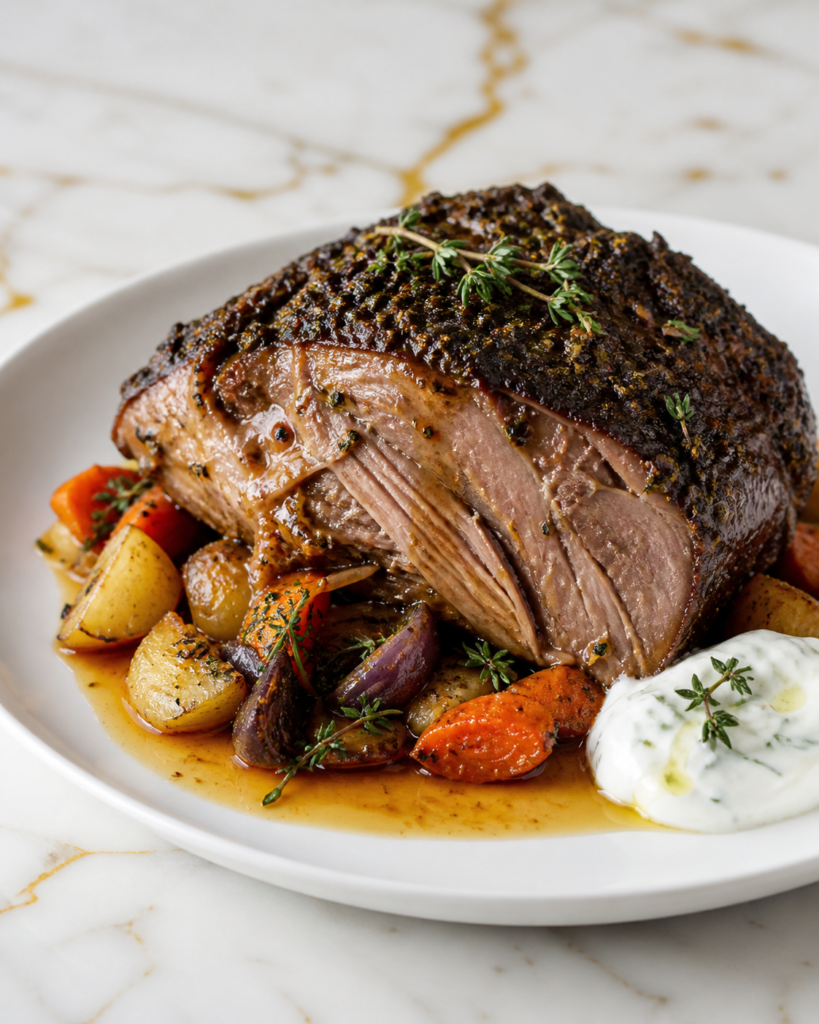
Slow Roasted Lamb Shoulder is a great option when you want to prepare ahead without losing quality. You can season the lamb up to a day in advance and keep it covered in the refrigerator. This allows the flavors to settle into the meat and makes the final dish even more flavorful.
You can also fully cook the lamb a day ahead and store it in the refrigerator once cooled. When ready to serve, reheat it gently in the oven with a bit of the cooking liquid to keep it moist. This makes it easier to plan meals for gatherings or busy days.
Instructions
Step 1: Prepare the Oven and Pan
Preheat your oven to 325°F. Place the sliced onion and chopped carrots evenly across the bottom of a large roasting pan. Pour in the chicken broth or water to create a base for the lamb to cook over.
Step 2: Season the Lamb
Pat the lamb shoulder dry with paper towels. Rub it all over with olive oil, then season with salt, black pepper, garlic, rosemary, thyme, cumin, and paprika. Make sure the seasoning is evenly distributed on all sides.
Step 3: Place in the Roasting Pan
Set the seasoned lamb on top of the vegetables in the roasting pan. The vegetables act as a natural rack, helping the heat circulate evenly. This also allows the juices to collect below and build flavor.
Step 4: Cover and Begin Roasting
Cover the roasting pan tightly with foil or a lid. Place it in the oven and roast for about 3 to 3½ hours. The low, slow cooking helps break down the meat and keeps it tender.
Step 5: Baste Occasionally
Every hour or so, carefully remove the pan from the oven and spoon some of the juices over the lamb. This keeps the surface moist and adds extra flavor. Return it to the oven promptly to maintain steady heat.
Step 6: Uncover and Brown
After the initial roasting time, remove the foil or lid. Increase the oven temperature to 400°F and roast for another 20–30 minutes. This step helps create a golden, slightly crisp exterior.
Step 7: Check for Doneness
The lamb is ready when it is very tender and easily pulls apart with a fork. The internal temperature should be around 190–200°F for that soft texture. If needed, continue roasting a bit longer until it reaches this stage.
Step 8: Rest Before Serving
Remove the lamb from the oven and let it rest for 15–20 minutes. This allows the juices to settle and makes the meat easier to shred or slice. Resting also improves the overall texture.
Serving Suggestions
Serve Slow Roasted Lamb Shoulder with a side of creamy mashed potatoes or soft polenta. These sides absorb the rich juices and create a comforting, well-rounded meal. It’s a classic pairing that works well for family dinners.
You can also serve it with roasted vegetables such as carrots, parsnips, or Brussels sprouts. The natural sweetness of the vegetables complements the savory lamb. This adds both color and balance to the plate.
For a lighter option, pair the lamb with a fresh green salad dressed in a simple vinaigrette. The crispness of the salad helps balance the richness of the meat. It keeps the meal from feeling too heavy.
Flatbreads or warm crusty bread are another great addition. They’re perfect for scooping up the tender lamb and flavorful juices. This makes the meal feel more casual and inviting.
You can also serve the lamb over rice or couscous for a more filling option. The grains soak up the sauce and stretch the meal for larger groups. It’s a practical and satisfying way to serve it.
Leftovers and Storage
Store leftover lamb in an airtight container in the refrigerator for up to four days. Keeping it well sealed helps retain moisture and flavor. It’s best to store it with some of the cooking juices to prevent it from drying out.
To reheat, place the lamb in a covered dish with a small amount of liquid and warm it in the oven at 300°F until heated through. This gentle method helps maintain tenderness. You can also reheat smaller portions on the stovetop over low heat.
Slow Roasted Lamb Shoulder freezes well for up to two months. Wrap it tightly or store it in a freezer-safe container with some of the juices. Thaw it in the refrigerator overnight before reheating.
Leftovers can be repurposed into sandwiches, wraps, or grain bowls. The tender texture makes it easy to use in a variety of meals. This helps reduce waste and makes future meals quicker to prepare.
Nutrition and Benefits
- Lamb is a rich source of high-quality protein, which helps support muscle health and overall energy levels. It’s also naturally satisfying, making meals feel complete.
- It provides important nutrients like iron and vitamin B12, which are essential for maintaining energy and supporting the body’s functions.
- Olive oil adds heart-healthy fats that enhance flavor while contributing to a balanced diet. It helps keep the dish moist during cooking.
- Cooking the lamb slowly allows the fat to render gradually, creating a tender texture without needing excessive added ingredients.
- Pairing this dish with vegetables or grains helps create a well-rounded meal that includes protein, fiber, and essential nutrients.
Recipe FAQ
Can I use a boneless lamb shoulder?
Yes, a boneless lamb shoulder can be used and will cook similarly. It may cook slightly faster, so keep an eye on tenderness. The result will still be flavorful and tender.
How do I know when the lamb is done?
The lamb should be very tender and easy to pull apart with a fork. An internal temperature of around 190–200°F is ideal for this texture. This ensures it has fully broken down and softened.
Can I cook this at a higher temperature?
You can increase the temperature slightly, but low and slow cooking gives the best results. Higher heat may cause the meat to become tougher. Patience helps achieve the desired tenderness.
Do I need to baste the lamb?
Basting is helpful but not strictly required. It adds extra moisture and flavor to the surface. If you skip it, keeping the pan covered will still help retain moisture.
Can I prepare this in advance?
Yes, this dish is great for making ahead. The flavors often improve after resting in the refrigerator. Reheat it gently before serving for the best results.
What can I use instead of rosemary and thyme?
You can substitute with oregano, parsley, or a mixed herb blend. Each option will slightly change the flavor but still work well. Choose based on your preference.
Can I add potatoes to the roasting pan?
Yes, potatoes can be added for a one-pan meal. Cut them into chunks and place them around the lamb. They will absorb the juices and become very flavorful.
A Comforting Centerpiece Worth Making Again
Slow Roasted Lamb Shoulder is one of those recipes that brings both ease and rich flavor to your table. With simple preparation and steady cooking, it delivers tender, reliable results that make it perfect for both everyday meals and special gatherings.
The deep flavor, soft texture, and versatility make it a dish you can return to with confidence. Whether served fresh or enjoyed as leftovers, it’s a comforting option that fits naturally into family cooking and is always worth making again.