A rich red wine sauce is what separates a good steak dinner from a great one, but most people skip it at home because it sounds complicated.
The truth is it comes down to a few basic steps and about twenty minutes on the stove. I started making this after realizing how much a simple pan sauce changes the whole plate.
This walks you through exactly how to build that deep, restaurant-quality flavor without needing any fancy equipment or hard-to-find ingredients.
Why You’ll Love This Recipe
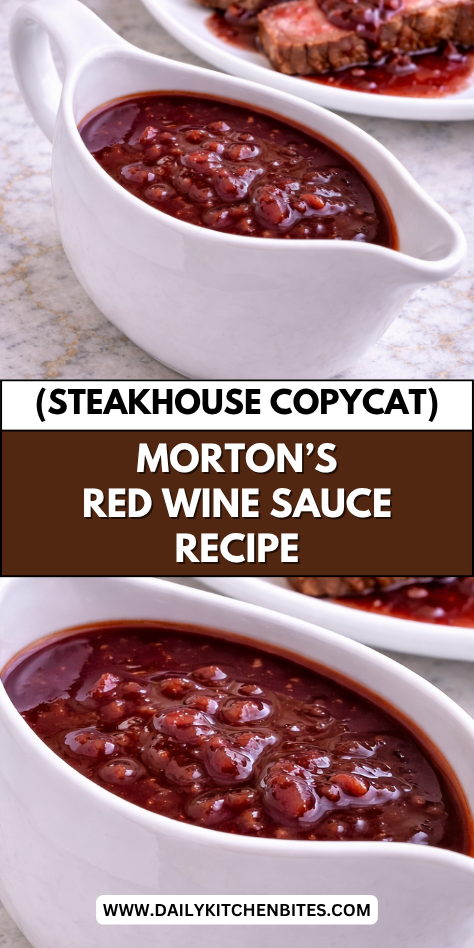
This red wine sauce is rich, smooth, and packed with deep, savory flavor. The wine reduces into a concentrated base, while butter adds a silky finish that coats everything beautifully. It’s the perfect complement to steak, chicken, or even roasted vegetables.
Another reason to love this recipe is its simplicity. With just a few ingredients and a straightforward process, you can create a sauce that tastes like it took hours to prepare. It’s approachable for beginners yet impressive enough for special occasions.
Families appreciate this recipe because it adds a gourmet touch without requiring complicated steps. A small amount goes a long way in enhancing a dish. It’s a versatile addition that can elevate everyday meals.
Serves: 4–6 people
This recipe yields enough sauce to serve several portions. Since it’s rich and concentrated, you only need a small amount per serving. It can easily be doubled for larger meals.
Ingredients You’ll Need
- 1 cup dry red wine (such as Cabernet Sauvignon or Merlot)
- 1 cup beef broth
- 2 tablespoons unsalted butter
- 1 tablespoon olive oil
- 2 garlic cloves, minced
- 1 small shallot, finely chopped
- 1 teaspoon fresh thyme leaves (or ½ teaspoon dried thyme)
- ½ teaspoon kosher salt (adjust to taste)
- ¼ teaspoon freshly ground black pepper
Pro Tips
Use a good-quality red wine that you would enjoy drinking. The flavor of the wine directly impacts the sauce.
Allow the wine to reduce slowly to concentrate its flavor. Rushing this step can result in a less developed taste.
Finely chop the shallots so they blend smoothly into the sauce. This helps create a more refined texture.
Whisk in the butter at the end for a silky finish. This step adds richness and helps emulsify the sauce.
Taste and adjust seasoning before serving. The balance of salt and acidity can vary depending on the wine used.
Serve the sauce warm for the best consistency and flavor. It thickens slightly as it cools.
Tools You’ll Need
- Small saucepan
- Wooden spoon or whisk
- Knife
- Cutting board
- Measuring cups and spoons
Substitutions and Variations
You can substitute beef broth with chicken broth for a lighter version. The flavor will still be rich but slightly less intense.
For a deeper flavor, add a splash of balsamic vinegar during the reduction. This enhances the richness and adds complexity.
If you prefer a thicker sauce, you can simmer it longer or add a small amount of cornstarch slurry. This creates a more pronounced texture.
You can also add mushrooms or onions for additional depth. These ingredients pair well with the wine base.
For a non-alcoholic version, substitute the wine with additional broth and a splash of grape juice or vinegar. The flavor will be slightly different but still enjoyable.
Make Ahead Tips
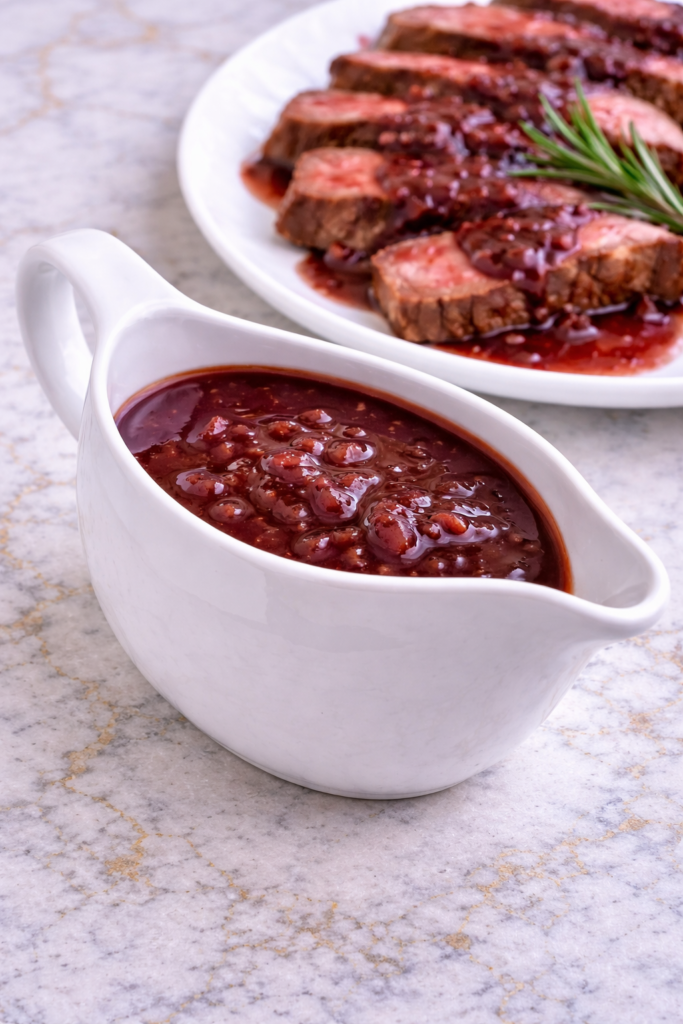
This red wine sauce is an excellent option for preparing ahead of time, especially when planning a larger meal. You can make the sauce up to 2 days in advance and store it in an airtight container in the refrigerator. The flavors often deepen as it rests, making it even more delicious.
When reheating, warm the sauce gently over low heat while stirring. Add a small splash of broth if it has thickened too much during storage. This helps restore its smooth, pourable consistency.
If you’re hosting, you can prepare the base of the sauce earlier and finish it with butter just before serving. This ensures a fresh, glossy texture. Keeping this final step for last makes a noticeable difference.
Instructions
Step 1: Heat the Oil
Place a small saucepan over medium heat and add the olive oil. Allow it to warm until it shimmers slightly. This creates the base for sautéing the aromatics.
Step 2: Sauté Shallots and Garlic
Add the finely chopped shallot and cook for 2–3 minutes until softened. Stir in the minced garlic and cook for another 30 seconds until fragrant. Be careful not to let the garlic brown.
Step 3: Add the Red Wine
Pour in the red wine and stir to combine. Bring the mixture to a gentle simmer. This begins the reduction process that builds flavor.
Step 4: Reduce the Wine
Allow the wine to simmer and reduce by about half. This should take 8–10 minutes. The liquid will deepen in color and develop a more concentrated aroma.
Step 5: Add the Broth and Herbs
Stir in the beef broth and thyme. Continue to simmer the sauce for another 8–10 minutes until it thickens slightly. The flavors will begin to meld together.
Step 6: Season the Sauce
Add the salt and black pepper, then taste and adjust seasoning as needed. This step ensures the balance of flavors is just right. Adjust according to your preference.
Step 7: Finish with Butter
Reduce the heat to low and whisk in the butter until fully melted and incorporated. This gives the sauce a silky texture and glossy finish. Do not boil after adding the butter.
Step 8: Serve Warm
Remove the sauce from heat and serve immediately over your desired dish. It should be smooth and slightly thickened. Enjoy while warm for the best flavor.
Serving Suggestions
This red wine sauce is a perfect match for steak, especially cuts like filet mignon or ribeye. The richness of the sauce enhances the natural flavor of the meat. It creates a true steakhouse experience at home.
It also pairs beautifully with roasted or grilled chicken. The sauce adds depth and elevates a simple dish. It’s a great way to make everyday meals feel more special.
Serve it over pork chops or tenderloin for a flavorful twist. The slight sweetness of the pork complements the wine-based sauce. This combination works well for family dinners.
You can drizzle it over mashed potatoes or roasted vegetables. The sauce adds richness and ties the dish together. It’s a simple way to enhance side dishes.
For a more elegant presentation, spoon the sauce onto the plate before placing the protein on top. This creates a restaurant-style look. It’s perfect for entertaining.
It can also be used as a finishing sauce for pasta. Toss lightly with cooked pasta and a sprinkle of Parmesan. This creates a unique and flavorful dish.
Leftovers and Storage
Allow the sauce to cool completely before storing. Transfer it to an airtight container and refrigerate for up to 3 days. Proper storage helps maintain its flavor and texture.
When reheating, use low heat on the stovetop and stir frequently. Add a splash of broth or water if the sauce has thickened too much. This helps restore its consistency.
Avoid boiling the sauce during reheating, as this can affect the texture. Gentle warming is key. This keeps the sauce smooth and glossy.
You can also freeze the sauce for up to 1 month. Store it in a freezer-safe container and thaw in the refrigerator before reheating. Stir well after thawing.
If the sauce separates slightly after storage, whisk it gently while reheating. This helps bring it back together. Proper reheating ensures the best results.
If the sauce develops an off smell or taste, discard it. Always prioritize freshness and food safety. Proper handling is essential.
Nutrition and Benefits
- This sauce provides flavor with relatively small portions, making it a great way to enhance meals without adding large amounts of calories. A little goes a long way.
- Red wine contains antioxidants that may offer some health benefits when consumed in moderation. These compounds contribute to the sauce’s depth of flavor.
- Using fresh garlic and shallots adds natural nutrients and enhances the taste without extra additives. They also provide subtle health benefits.
- Butter contributes richness and helps create a satisfying texture. When used in moderation, it can be part of a balanced meal.
- Making this sauce at home allows you to control ingredients and sodium levels. This helps create a more mindful and customized dish.
Recipe FAQ
Can I use cooking wine instead of regular wine?
It’s best to use a wine you would drink. Cooking wine often contains added salt and preservatives. This can affect the flavor of the sauce.
How do I thicken the sauce more?
You can let it simmer longer to reduce further. Alternatively, add a small cornstarch slurry if needed. This will create a thicker consistency.
Can I make this sauce without alcohol?
Yes, you can substitute the wine with additional broth and a splash of vinegar or grape juice. The flavor will be slightly different but still enjoyable. Adjust seasoning to balance it.
What type of red wine works best?
Dry red wines like Cabernet Sauvignon or Merlot are ideal. They provide depth without too much sweetness. Choose a wine you enjoy drinking.
Why did my sauce taste too strong?
This can happen if the wine wasn’t reduced enough or if it was too bold. Allowing proper reduction helps mellow the flavor. You can also balance it with a bit more broth.
Can I add other ingredients?
Yes, mushrooms or onions are great additions. They add depth and texture to the sauce. Just sauté them with the shallots at the beginning.
How do I keep the sauce smooth?
Whisk the butter in at low heat and avoid boiling afterward. This helps maintain a silky texture. Stirring gently also prevents separation.
A Rich Finishing Touch for Any Meal
This Morton’s Red Wine Sauce (Rich Steakhouse Copycat) brings depth, elegance, and bold flavor to your table.
With its smooth texture and rich taste, it’s the perfect way to elevate both simple and special meals. It’s a small addition that makes a lasting impression on every dish it touches.