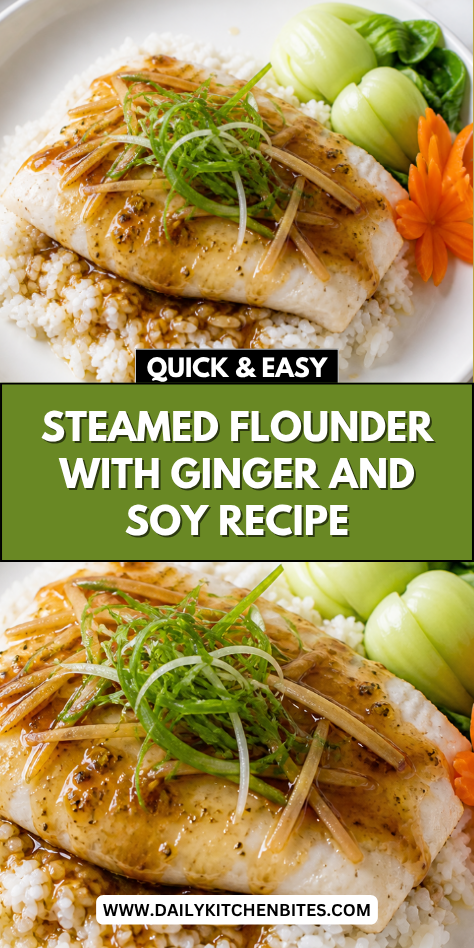
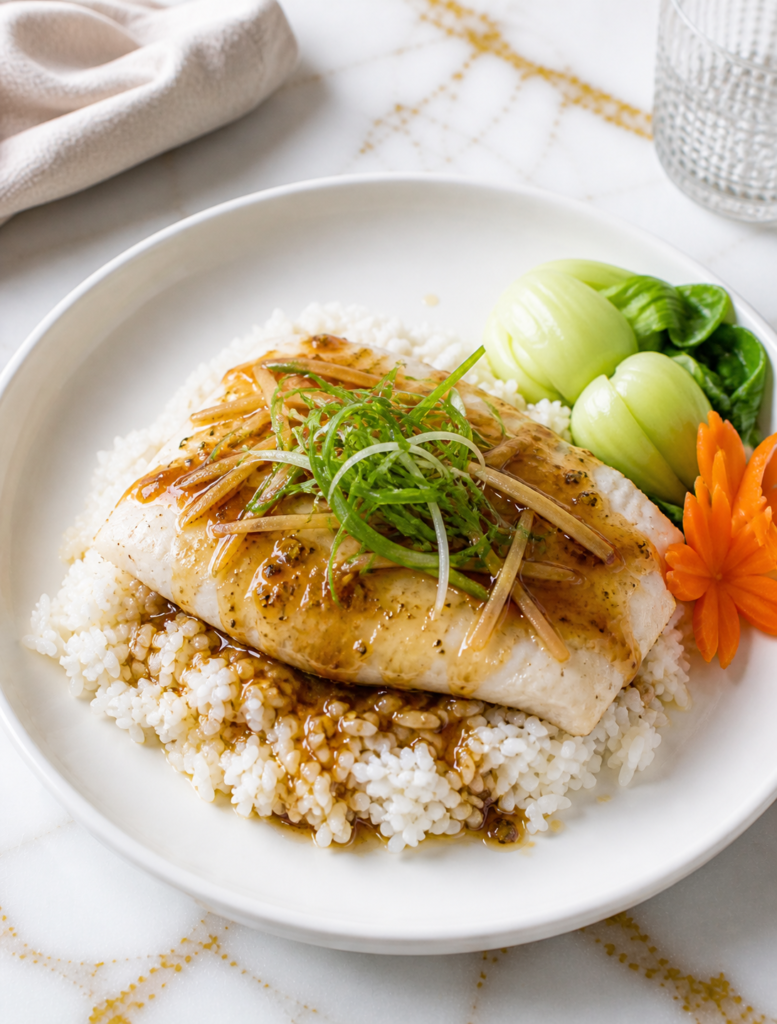
I like to make steamed flounder with ginger and soy when I want something light, comforting, and easy to prepare. The gentle steaming keeps the fish soft and tender, while the ginger and soy add a simple but flavorful touch. It’s the kind of meal that feels calm and satisfying without requiring much effort.
This dish has become a regular choice in my kitchen, especially on days when I want a clean and balanced meal. It comes together quickly and uses a short list of ingredients that work beautifully together. It’s also a great way to enjoy fish in a way that feels approachable and family-friendly.
Why You’ll Love This Recipe
Steamed flounder with ginger and soy offers a delicate balance of flavor and texture that makes it both comforting and refreshing. The fish stays moist and flaky, while the ginger adds a gentle warmth and the soy brings a savory depth. It’s a simple combination that feels both nourishing and satisfying.
This recipe is also ideal for busy days when you want something homemade without spending too much time in the kitchen. The preparation is straightforward, and steaming keeps the process clean and efficient. It’s a dependable dish that works well for both quick dinners and relaxed family meals.
Serves: 2 to 3 people
This recipe serves two to three people as a main dish, depending on portion size and sides. It can easily be doubled if you’re cooking for a larger group. Pairing it with rice and vegetables can help stretch the meal while keeping it balanced.
Ingredients You’ll Need
For the Fish:
- 2 whole flounder fillets (about 1 to 1½ pounds total)
- 1 tablespoon fresh ginger, thinly sliced
- 2 green onions, sliced into long strips
- 1/2 teaspoon salt
- 1/4 teaspoon black pepper
For the Sauce:
- 2 tablespoons soy sauce
- 1 tablespoon sesame oil
- 1 tablespoon water
- 1 teaspoon sugar
Optional Garnish:
- Fresh cilantro leaves
- Extra sliced green onions
Pro Tips
Choose fresh flounder with a clean, mild smell and firm texture. Fresh fish makes a noticeable difference in both flavor and texture.
Slice the ginger thinly so it releases flavor without overpowering the dish. This keeps the taste balanced and pleasant.
Arrange the fish in a single layer to ensure even steaming. Overlapping pieces can lead to uneven cooking.
Do not overcook the fish, as it can become too soft and lose its delicate texture. It’s ready when it flakes easily with a fork.
Heat the sauce slightly before pouring it over the fish for a more blended flavor. This helps everything come together smoothly.
Serve immediately after steaming for the best texture and taste. This dish is at its peak when fresh and warm.
Tools You’ll Need
- Steamer basket or steaming rack
- Large pot or wok with lid
- Heatproof plate
- Tongs or spatula
- Small saucepan (optional for sauce)
- Knife
- Cutting board
Substitutions and Variations
Use a Different Fish
You can substitute flounder with other mild white fish like tilapia, cod, or sole. These options steam well and absorb the flavors nicely.
Make It Gluten-Free
Use a gluten-free soy sauce or tamari in place of regular soy sauce. This keeps the dish suitable for those with dietary restrictions.
Add More Aromatics
Include garlic slices or a few strips of red chili for extra flavor. These additions bring a bit more depth without changing the dish too much.
Enhance the Sauce
Add a splash of rice vinegar or a squeeze of lime juice for a brighter taste. This gives the sauce a slightly tangy finish.
Make It Heartier
Serve the fish over rice or alongside noodles to make the meal more filling. This helps turn the dish into a complete dinner.
Make Ahead Tips
This steamed flounder with ginger and soy is best enjoyed fresh, but you can still prepare parts of it ahead to make cooking easier. The ginger can be sliced and the green onions can be cut a few hours in advance, then stored in the refrigerator in separate containers. You can also mix the sauce ingredients ahead of time and keep them chilled until ready to use.
If you plan to serve this as part of a larger meal, you can have everything prepped and ready near the stove before you begin steaming. Since the cooking time is short, having ingredients prepared in advance helps everything come together smoothly. This makes the process feel calm and manageable, especially during busy mealtimes.
Instructions
Step 1: Prepare the Steaming Setup
Fill a large pot or wok with a few inches of water and bring it to a gentle boil. Place a steaming rack or basket inside, making sure the water does not touch the plate you’ll use for the fish. Keep the heat at a steady simmer while you prepare the rest.
Step 2: Season the Fish
Pat the flounder fillets dry with paper towels and place them on a heatproof plate. Sprinkle lightly with salt and black pepper to enhance the natural flavor. This simple seasoning helps the fish taste balanced without overpowering it.
Step 3: Add Aromatics
Arrange the sliced ginger evenly over the fish, followed by the green onion strips. These aromatics will gently infuse the fish as it steams. Spread them out so every part of the fish gets some flavor.
Step 4: Steam the Fish
Carefully place the plate onto the steaming rack and cover the pot with a lid. Steam for about 8 to 10 minutes, depending on the thickness of the fillets. The fish is ready when it turns opaque and flakes easily with a fork.
Step 5: Prepare the Sauce
While the fish is steaming, combine the soy sauce, sesame oil, water, and sugar in a small bowl or saucepan. Stir until the sugar dissolves completely. You can warm it slightly if you prefer a more blended flavor.
Step 6: Finish the Dish
Once the fish is cooked, carefully remove the plate from the steamer. Pour the prepared sauce evenly over the fish while it is still hot. This allows the flavors to soak in gently.
Step 7: Garnish and Serve
Top with fresh cilantro or additional green onions if desired. Serve immediately while warm for the best texture and flavor. This final step brings everything together in a simple, inviting way.
Serving Suggestions
This dish pairs beautifully with steamed white rice, which helps soak up the flavorful sauce. The soft rice balances the delicate texture of the fish and makes the meal more filling.
You can also serve it with lightly sautéed or steamed vegetables such as bok choy, broccoli, or snap peas. These add color and freshness without taking away from the main dish.
For a more complete spread, consider adding a simple soup or a small side salad. This creates a well-rounded meal that feels both comforting and nourishing.
If you prefer noodles, serve the fish alongside plain or lightly seasoned noodles. They work well with the soy-based sauce and add a different texture to the meal.
This recipe also fits nicely into a family-style dinner, where everyone can share from the same plate. It’s simple, clean, and easy to enjoy together.
Leftovers and Storage
Leftover steamed flounder can be stored in an airtight container in the refrigerator for up to 2 days. Make sure the fish has cooled completely before storing to maintain its texture. Keep the sauce with the fish so it stays moist.
To reheat, warm the fish gently in a covered pan over low heat or in the microwave using short intervals. Add a small splash of water if needed to keep it from drying out. Avoid overheating, as this can make the fish tough.
Freezing is not recommended for this dish, as the delicate texture of the flounder may not hold up well after thawing. It’s best enjoyed fresh or within a short time after cooking.
Nutrition and Benefits
- Flounder is a lean source of protein that supports muscle health and provides a light yet satisfying base for the meal. It’s easy to digest and works well for balanced eating.
- Ginger adds natural compounds that may support digestion and provide a gentle warmth to the dish. It also enhances flavor without needing heavy seasoning.
- Soy sauce contributes a savory depth, allowing you to build flavor with minimal ingredients. Using it in moderation helps keep the dish balanced.
- Steaming is a cooking method that helps preserve nutrients while avoiding excess fats. This makes the dish a lighter option compared to fried alternatives.
- Green onions and optional herbs add freshness and small amounts of vitamins, helping round out the meal in a simple way.
Recipe FAQ
Can I use frozen flounder for this recipe?
Yes, you can use frozen flounder, but make sure it is fully thawed before cooking. Pat it dry well to remove excess moisture. This helps maintain the right texture when steaming.
How do I know when the fish is done?
The fish is ready when it turns opaque and flakes easily with a fork. It should feel tender but not mushy. Checking at the thickest part helps ensure it’s fully cooked.
What if I don’t have a steamer?
You can create a simple steamer using a pot with a rack or even a heatproof bowl placed inside. As long as the fish is elevated above the water and covered, it will steam properly.
Can I make this dish less salty?
Yes, you can reduce the amount of soy sauce or use a low-sodium version. Adding a bit more water or a splash of citrus can also help balance the flavor.
Is this recipe suitable for kids?
Yes, the mild flavor and soft texture make it suitable for many children. You can adjust the seasoning slightly if needed. Serving it with rice often makes it more appealing.
Can I add other toppings?
You can add thin slices of chili, garlic, or even a drizzle of hot oil for extra flavor. These additions can be adjusted based on your preference.
What type of plate should I use for steaming?
Use a heatproof plate that fits comfortably inside your steamer or pot. It should have a slight edge to hold the sauce. This helps keep everything contained during cooking.
Conclusion
Steamed flounder with ginger and soy is a simple, comforting dish that brings together gentle flavors and an easy cooking method. It’s a reliable option when you want something light yet satisfying without spending too much time in the kitchen.
With its tender texture and balanced taste, this recipe fits naturally into everyday meals. It’s easy to prepare, easy to serve, and a dependable choice you can return to whenever you want a calm and nourishing dish.