Lobster tail always seems like something you order out, not something you make on a Tuesday night at home.
But once you know the basics, it’s surprisingly straightforward — and a lot more affordable than a steakhouse bill.
The butter garlic sauce is the part that really makes it feel special without adding much work. I’ll show you the exact steps I use to get tender, perfectly cooked lobster tail every time.
Why You’ll Love This Recipe
This lobster tail recipe is all about rich flavor and simple technique. The combination of melted butter, garlic, and gentle cooking creates a tender, juicy texture that feels indulgent but approachable. You don’t need complicated steps to achieve that classic steakhouse taste.
It’s also incredibly quick to prepare, making it perfect for both weeknight dinners and special occasions. With just a handful of ingredients, you can create a dish that looks and tastes impressive. That balance of ease and elegance is what makes it such a favorite.
Families love this recipe because it feels like a celebration on a plate. Whether you’re serving it for a holiday, date night, or a fun family dinner, it brings everyone together. Plus, it pairs beautifully with a wide range of sides, making it easy to customize.
Serves: 2–4 people
This recipe is ideal for a small family meal or an intimate dinner. Each person can enjoy their own lobster tail, or you can serve it alongside other dishes for a shared experience. It’s easy to double or triple depending on your needs.
Ingredients You’ll Need
- 4 lobster tails (4–6 oz each)
- 6 tablespoons unsalted butter, melted
- 4 garlic cloves, finely minced
- 1 tablespoon fresh lemon juice
- 1 teaspoon lemon zest
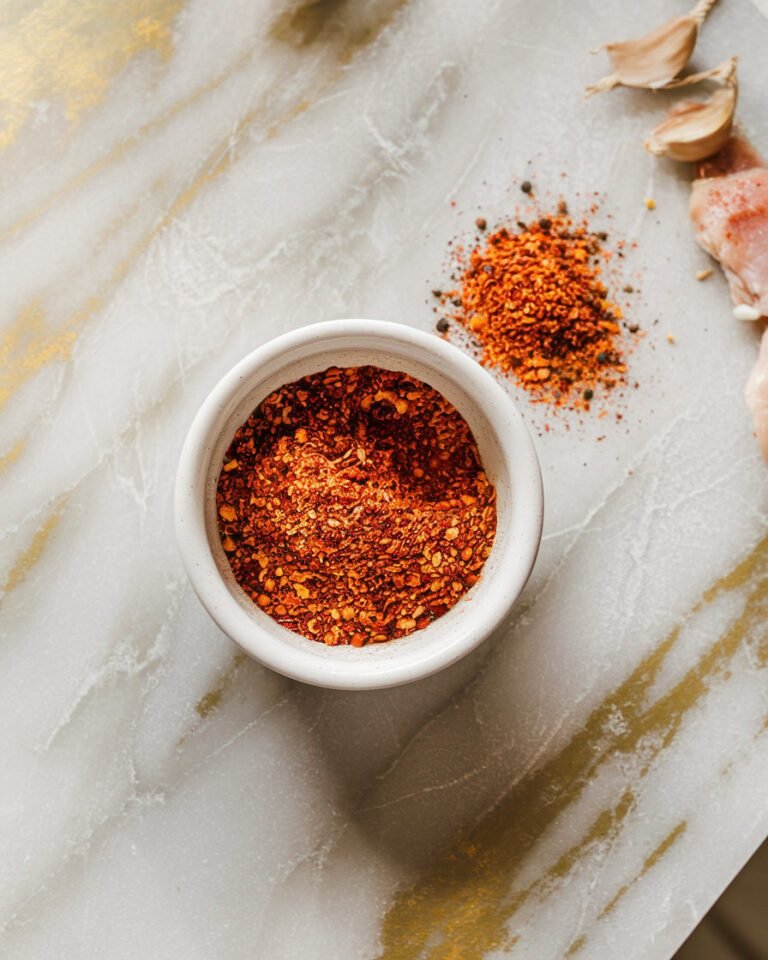
- 1 teaspoon paprika
- ½ teaspoon kosher salt
- ½ teaspoon freshly ground black pepper
- 1 tablespoon fresh parsley, finely chopped
- Lemon wedges, for serving
Pro Tips
Use kitchen shears to cut through the top of the lobster shell cleanly. This makes it easier to expose the meat and ensures even cooking.
Gently pull the lobster meat up and rest it on top of the shell for that classic presentation. This also helps the meat cook evenly and absorb more of the butter mixture.
Do not overcook the lobster, as it can quickly become tough. The meat should be opaque and slightly firm but still tender.
Brush the butter garlic mixture generously over the lobster before and during cooking. This builds layers of flavor and keeps the meat moist.
Use fresh garlic instead of pre-minced for the best flavor. It makes a noticeable difference in the final dish.
Serve immediately after cooking for the best texture and taste. Lobster is at its peak when it’s fresh and hot.
Tools You’ll Need
- Kitchen shears
- Baking sheet
- Small mixing bowl
- Basting brush
- Measuring spoons
- Knife
- Cutting board
Substitutions and Variations
If fresh lobster tails are not available, frozen ones work well as long as they are fully thawed before cooking. Proper thawing helps maintain the best texture and flavor.
You can substitute the butter with a dairy-free alternative if needed. While the flavor will be slightly different, it will still be rich and satisfying.
For a spicier version, add a pinch of cayenne pepper or red pepper flakes to the butter mixture. This gives the dish a subtle heat without overpowering the lobster.
Try adding grated Parmesan cheese during the final minutes of cooking for a slightly savory crust. This variation adds depth and a unique twist.
For a smoky flavor, you can grill the lobster tails instead of baking them. This adds another layer of complexity while keeping the same buttery garlic base.
Make Ahead Tips
You can prepare the butter garlic mixture up to 2 days in advance and store it in the refrigerator. When ready to use, gently melt it again and stir well to recombine the flavors. This saves time and allows the garlic to infuse more deeply into the butter.
Lobster tails can be cut and prepped earlier in the day, then kept covered in the refrigerator. This makes the final cooking process quick and stress-free when you’re ready to serve. Just be sure to bring them slightly closer to room temperature before cooking.
If you’re planning a larger meal, you can also arrange the lobster tails on a baking sheet ahead of time. Keep them chilled and uncovered for a short period to help the texture stay firm. Add the butter mixture just before cooking for the best flavor.
Instructions
Step 1: Prepare the Lobster Tails
Using kitchen shears, carefully cut down the top of each lobster shell lengthwise. Gently loosen the meat from the shell while keeping it attached at the base, then lift it slightly and rest it on top. This creates that classic restaurant-style presentation.
Step 2: Make the Butter Garlic Sauce
In a small bowl, combine the melted butter, minced garlic, lemon juice, lemon zest, paprika, salt, and black pepper. Stir until everything is well blended and fragrant. This mixture will be used both before and during cooking.
Step 3: Preheat the Oven
Preheat your oven to 425°F and position the rack in the upper third. This ensures even cooking and allows the lobster to develop a lightly golden finish. Line a baking sheet with parchment paper or lightly grease it.
Step 4: Arrange and Season
Place the prepared lobster tails on the baking sheet with the meat facing upward. Brush a generous amount of the butter garlic mixture over each tail, making sure to coat all exposed meat. Reserve some of the sauce for basting during cooking.
Step 5: Bake the Lobster
Transfer the baking sheet to the oven and bake for 10–12 minutes, depending on the size of the tails. Halfway through cooking, baste the lobster again with the remaining butter mixture. The meat should turn opaque and slightly firm when done.
Step 6: Broil for Finish
Turn on the broiler for the last 1–2 minutes to lightly brown the top. Keep a close eye to prevent burning, as this step happens quickly. This adds a subtle golden color and enhances the overall presentation.
Step 7: Garnish and Serve
Remove the lobster from the oven and sprinkle with freshly chopped parsley. Serve immediately with lemon wedges and any remaining butter sauce on the side. The aroma and presentation make it feel truly special.
Serving Suggestions
Serve these lobster tails alongside creamy mashed potatoes for a comforting and balanced plate. The rich butter sauce pairs beautifully with the smooth texture of the potatoes. It creates a classic steakhouse-style experience at home.
A side of roasted vegetables like asparagus, carrots, or green beans adds freshness and color. The slight crispness of the vegetables complements the tender lobster. This combination keeps the meal from feeling too heavy.
For a lighter option, pair the lobster with a crisp green salad dressed in a simple vinaigrette. The acidity helps cut through the richness of the butter. It’s a refreshing and well-rounded choice.
Buttered rice or herbed rice pilaf also works wonderfully as a base. It absorbs the garlic butter sauce and enhances every bite. This is a great option for feeding a family.
Crusty bread is perfect for soaking up any leftover sauce on the plate. It adds a satisfying texture and ensures none of the flavor goes to waste. This is always a favorite at the table.
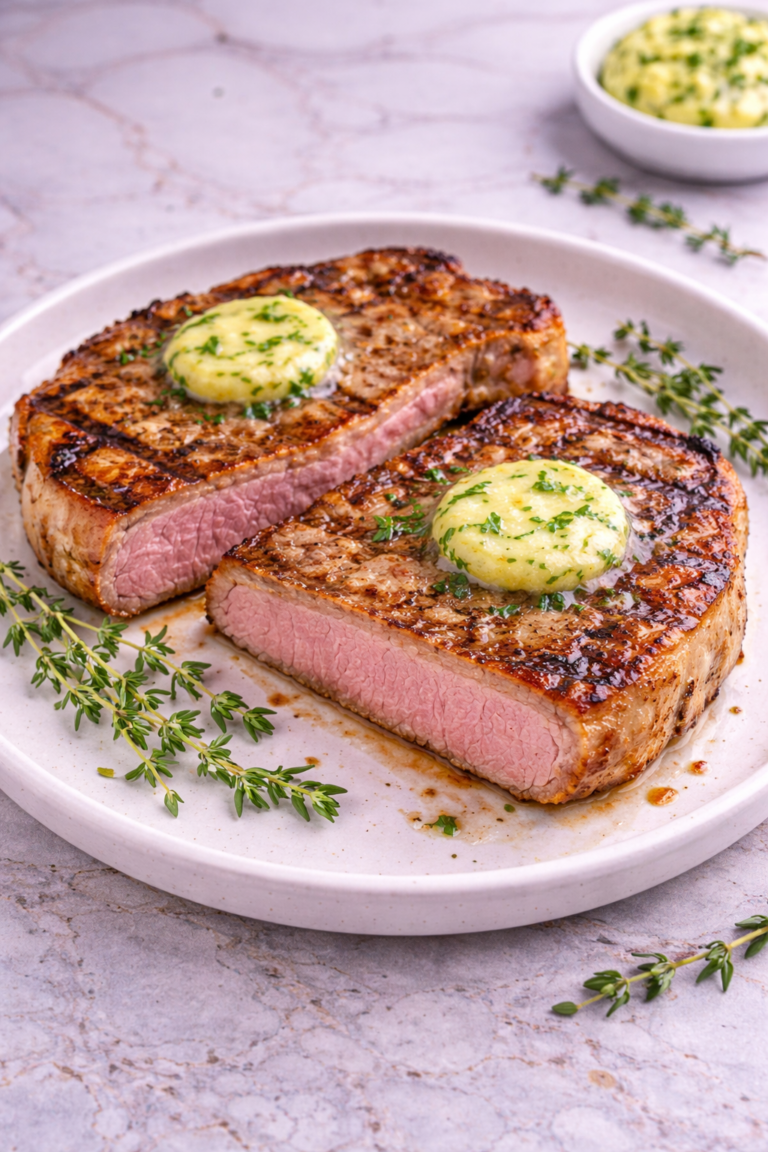
If you’re planning a more elaborate meal, serve the lobster alongside a perfectly cooked steak. This creates a classic surf-and-turf dinner that feels restaurant-worthy. It’s ideal for celebrations or special evenings.
Leftovers and Storage
If you have leftover lobster, allow it to cool completely before storing. Place it in an airtight container and refrigerate for up to 2 days. Proper storage helps preserve both flavor and texture.
When reheating, use gentle heat to avoid overcooking the meat. A low-temperature oven or a covered skillet with a bit of butter works best. This keeps the lobster tender rather than rubbery.
You can also repurpose leftover lobster into other dishes. It works beautifully in pasta, salads, or even lobster rolls. This makes it easy to enjoy the flavors in a new way.
Freezing cooked lobster is not always recommended, as it can affect the texture. If you do freeze it, wrap it tightly and use it within one month. Thaw slowly in the refrigerator before reheating.
Nutrition and Benefits
- Lobster is an excellent source of lean protein, which helps support muscle growth and repair while keeping meals satisfying. It’s a great option for balanced eating.
- It contains important nutrients like vitamin B12, zinc, and selenium. These play a role in energy production and immune system support.
- Lobster is naturally low in carbohydrates, making it suitable for a variety of dietary preferences. It pairs well with both light and hearty sides.
- Garlic adds not only flavor but also potential health benefits, including antioxidants and compounds that support heart health. It’s a simple way to boost both taste and nutrition.
- Using fresh ingredients allows you to control sodium and overall quality. This makes the dish feel indulgent while still being thoughtfully prepared.
Recipe FAQ
How do I know when lobster is fully cooked?
Lobster meat turns opaque and firm when it is done. The internal temperature should reach about 140–145°F for best results. Avoid overcooking, as it can quickly become tough.
Can I use frozen lobster tails?
Yes, frozen lobster tails work very well for this recipe. Just make sure they are fully thawed in the refrigerator before cooking. This helps ensure even cooking and better texture.
What is the best way to thaw lobster tails?
The safest method is to thaw them overnight in the refrigerator. If you’re short on time, you can place them in a sealed bag and submerge in cold water. Avoid using warm water, as it can affect the texture.
Can I grill the lobster instead of baking?
Yes, grilling is a great alternative that adds a smoky flavor. Prepare the lobster the same way and cook over medium heat. Baste frequently with the butter mixture to keep it moist.
Why is my lobster rubbery?
Rubbery lobster is usually a result of overcooking. Keep a close eye on the cooking time and use visual cues like color and firmness. Removing it promptly from heat makes a big difference.
Can I prepare this recipe ahead of time?
You can prep the lobster and butter mixture ahead, but it’s best cooked fresh. This ensures the best texture and flavor. Reheating can slightly change the consistency of the meat.
What can I do with leftover butter sauce?
Leftover butter sauce can be used in many ways. Drizzle it over vegetables, mix it into pasta, or use it as a dipping sauce for bread or seafood. It’s full of flavor and shouldn’t go to waste.
A Steakhouse Classic Made Simple at Home
This Morton’s Lobster Tail (Butter Garlic Copycat Recipe) brings elegance and comfort together in one beautiful dish.
It’s simple enough for a weeknight but special enough for celebrations and meaningful family meals.
With rich butter, fresh garlic, and tender lobster, every bite feels like a restaurant experience at your own table.